Metal Roof Components in Los Angeles: The Standards That Separate a 50-Year Roof From a 15-Year One
Two metal roofs can sit on the same truck, wear the same color, and be $30,000 apart in problems.
The difference is never the part you can see.
150+ Verified Reviews
What Makes Our Metal Roof Components Different in Los Angeles?
A standing seam roof is really three trades in one: roofing, sheet-metal forming, and electrical, plus the structure underneath it. Most Los Angeles roofers hold a single license (C-39) and treat metal as one of a dozen materials they install. We only do metal, and we are licensed and specialized in every part of the system.
Licensed and specialized in every part of the system.
Our co-founders, partners, and crew hold C-39 (roofing), C-43 (sheet metal, the metal expertise most roofers lack), C-10 (full electrical, beyond the limited C-46 solar-only license), and Class B (general building, the whole structure under your roof).
A C-43 sheet-metal specialist manages every job and leads our crew. He is on site forming each panel individually, because every panel, even two right next to each other, is a different length, sometimes by as little as 1/8 inch. That is why panels cannot be ordered ahead of time and shipped. Each one is formed on site by our C-43 specialist who understands how to work with sheet metal, not just any roofer who does asphalt or tile, no matter how experienced.
Our Class B license helps because we understand the entire house structure, much of which serves as your roof deck. Our C-10 covers full electrical, not just solar: wiring, electrical panel replacement, and solar (C-46 is a solar-only license; C-10 is the full scope). We offer solar on metal roofs too.
This is why we are the best choice for your metal roof project. If a complication arises, we know every moving part of the system. We can build whatever you want, handle the special details, and we are licensed and specialized in all of it.
For the full breakdown of the licenses your metal roofer should hold:
Licenses & CertificationsYou can also explore our complete residential metal roofing systems here.
Because we only do metal, we pay obsessive attention to the components most homeowners never see.
The rest of this page explains every major component of a standing seam metal roof system, what shortcuts low-bid contractors commonly use, and what we install instead.
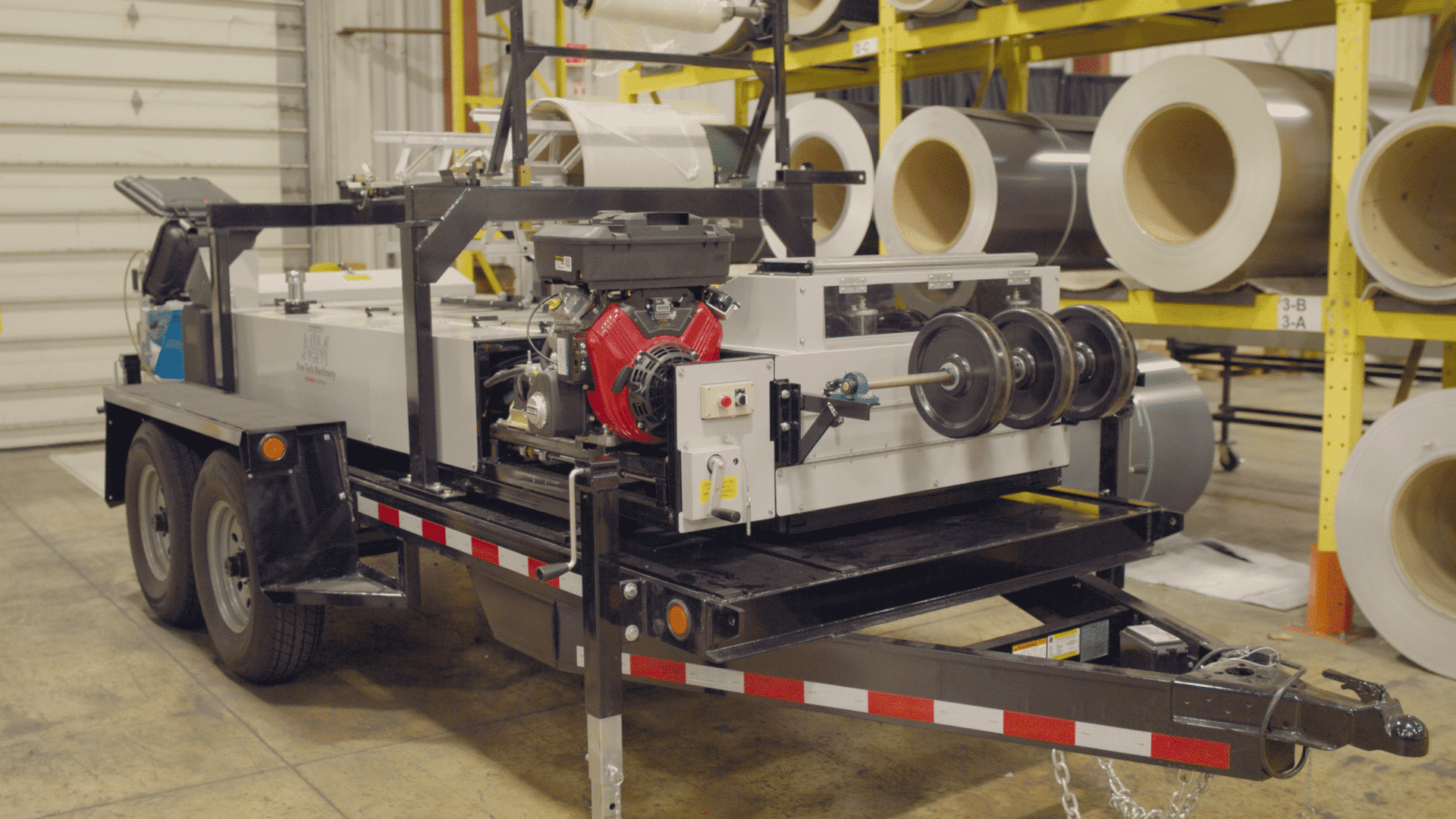
On-Site Panel Forming
What Are The Metal Roofing Components?
A standing seam metal roof is a system of components: the steel gauge, concealed clips, fasteners, underlayment, ice-and-water membrane, flashings, hemmed edges, and finish. The visible panel is barely 5% of what determines how long it lasts. The other 95% is hidden, and it is where a cheap install fails first.
Metal Roof System Diagram
Most homeowners compare roofing proposals based on the visible panel. That is only one component of the system. A standing seam roof is made up of multiple layers working together, and failure usually occurs when one of those hidden components is downgraded, omitted, or installed incorrectly.
24-Gauge Or 22-Gauge Steel
The foundation of the entire roofing system.
Learn More: 24 vs 26-Gauge Metal RoofingConcealed Clips & Fasteners
The attachment system that secures the roof while allowing thermal movement.
Learn More: Metal Roof Clips & FastenersHigh-Temperature Synthetic Underlayment
The protective layer between the metal roof and the roof deck.
Learn More: Metal Roof UnderlaymentIce & Water Shield
Secondary waterproof protection at the roof's most vulnerable areas.
Learn More: Ice & Water ShieldFabricated Flashings
Custom sheet-metal transitions that keep water out around penetrations and roof changes.
Learn More: Standing Seam Roof FlashingsHemmed Edges & Continuous Cleats
The perimeter locking system that helps keep the roof attached during high-wind events.
Learn More: High-Wind Standing Seam Systems70% Kynar 500 PVDF Finish
The paint system that protects the roof from decades of Southern California UV exposure.
Learn More: Kynar 500 vs SMP Paint SystemsThe sections that follow explain which of these components matter most, where low-bid contractors typically cut corners, and how to compare two roofing proposals that appear similar on the surface.
Why Is The Panel The Least Important Part?
Because the panel is rarely what fails.
Most roofing companies sell the metal panel because it is the only part you can point at from the driveway. The system underneath it determines whether the roof lasts 15 years or 50 years.
A standing seam panel is simply a sheet of metal.
It does not determine:
- - Wind resistance
- - Waterproofing performance
- - Thermal movement performance
- - Attachment strength
- - Long-term durability
- - Whether the roof remains attached during extreme weather
Those outcomes are controlled by the clips, fasteners, underlayment, flashings, edge details, and installation standards.
Put a 50-year panel on a 15-year attachment system and you did not buy a 50-year roof. You bought a countdown.
"Nobody loses a roof in the middle. They lose it at the edges, which is exactly where the low bidder gets lazy."
This is why comparing metal roofing proposals based only on brand, color, profile, or price can be misleading.
Two contractors may offer what appears to be the same roof.
One may use thinner steel, lighter clips, wider clip spacing, cheaper paint systems, minimal waterproofing, and simplified flashing details.
The other may use heavier steel, denser attachment, premium coatings, high-temperature underlayment, full waterproofing protection, and site-fabricated flashings.
From the street, they can look nearly identical.
Ten years later, they won't.
The rest of this page examines each component individually so you can understand where quality is built into a standing seam roofing system and where shortcuts are commonly hidden.
Why 22 And 24-Gauge Steel, And Never 26?
26-gauge steel is how a roofer wins a low bid, not how your roof survives a Santa Ana wind event. We install 22 or 24-gauge coated steel only. 24-gauge is the Los Angeles architectural standard. 22-gauge is the upgrade for large roof planes, long panel runs, coastal environments, high-wind areas, hail exposure, and luxury homes.
Most homeowners never ask about steel thickness. They should.
The thickness of the metal affects dent resistance, rigidity, wind performance, and resistance to oil canning.
We only use the very best metal. We offer an 8-year workmanship warranty, and we're only comfortable offering it on two brands, Taylor Metal and Sheffield Metals. That should tell you something.
A quick note about aluminum: Aluminum is never measured in gauge. It is measured in thickness, typically .032 or .040 aluminum.
Learn More: 24 vs 26-Gauge Metal Roofing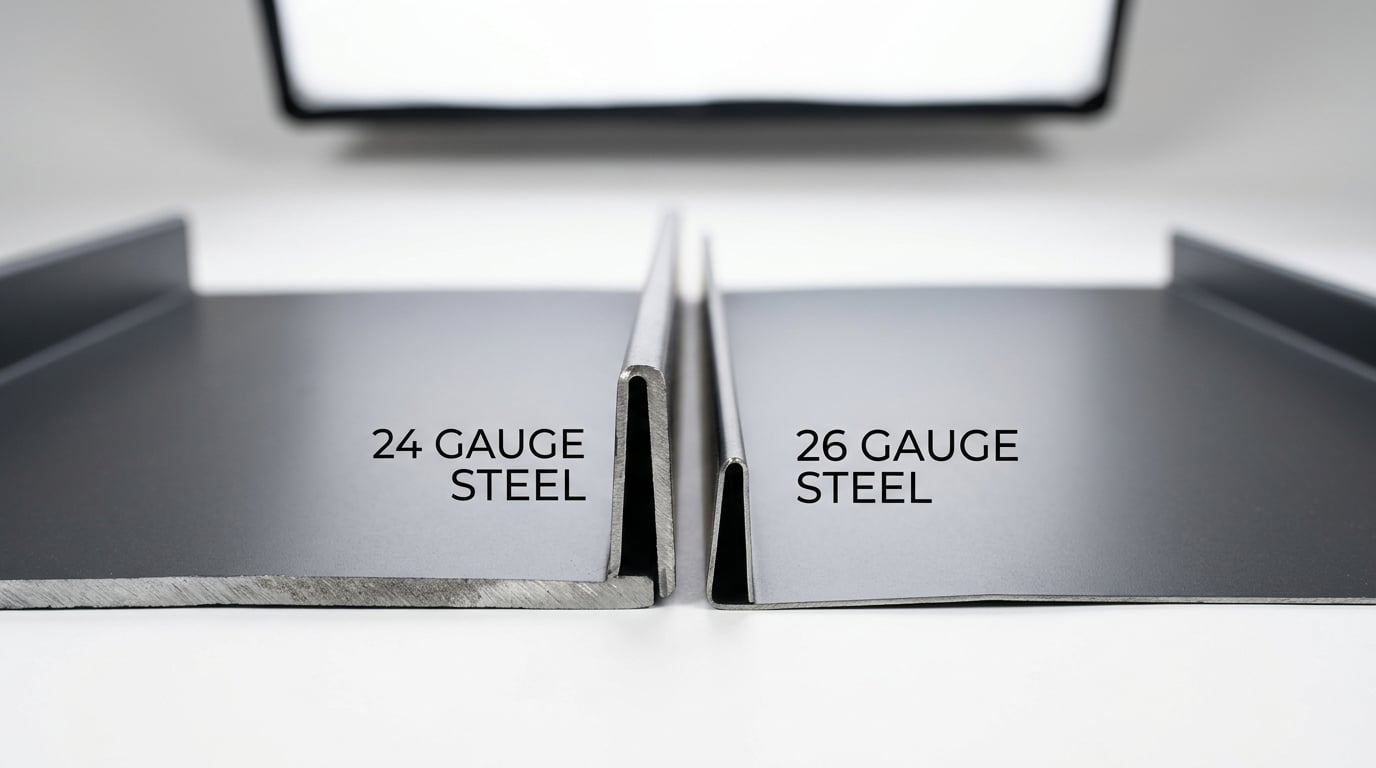
24-Gauge vs 26-Gauge Steel
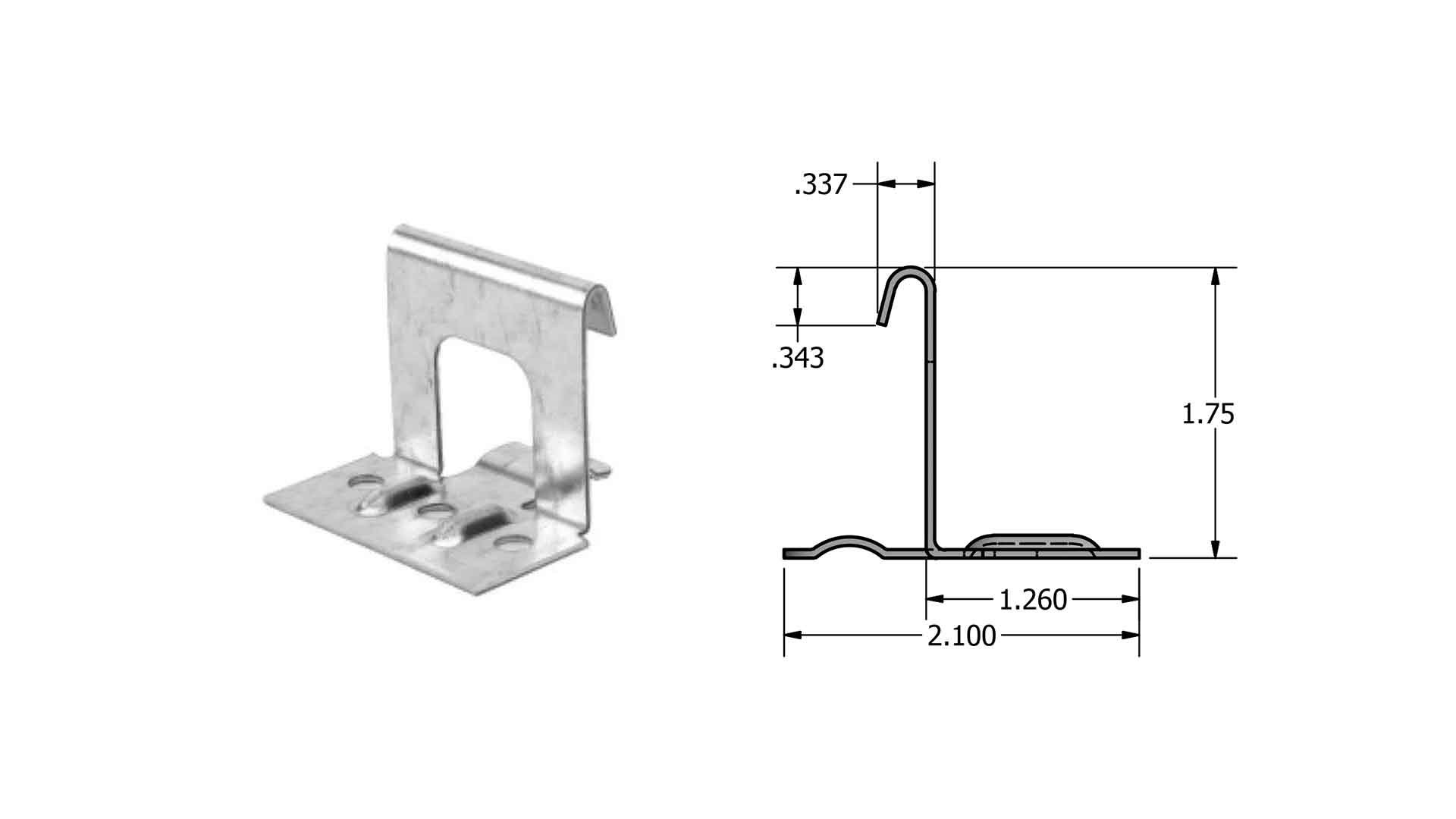
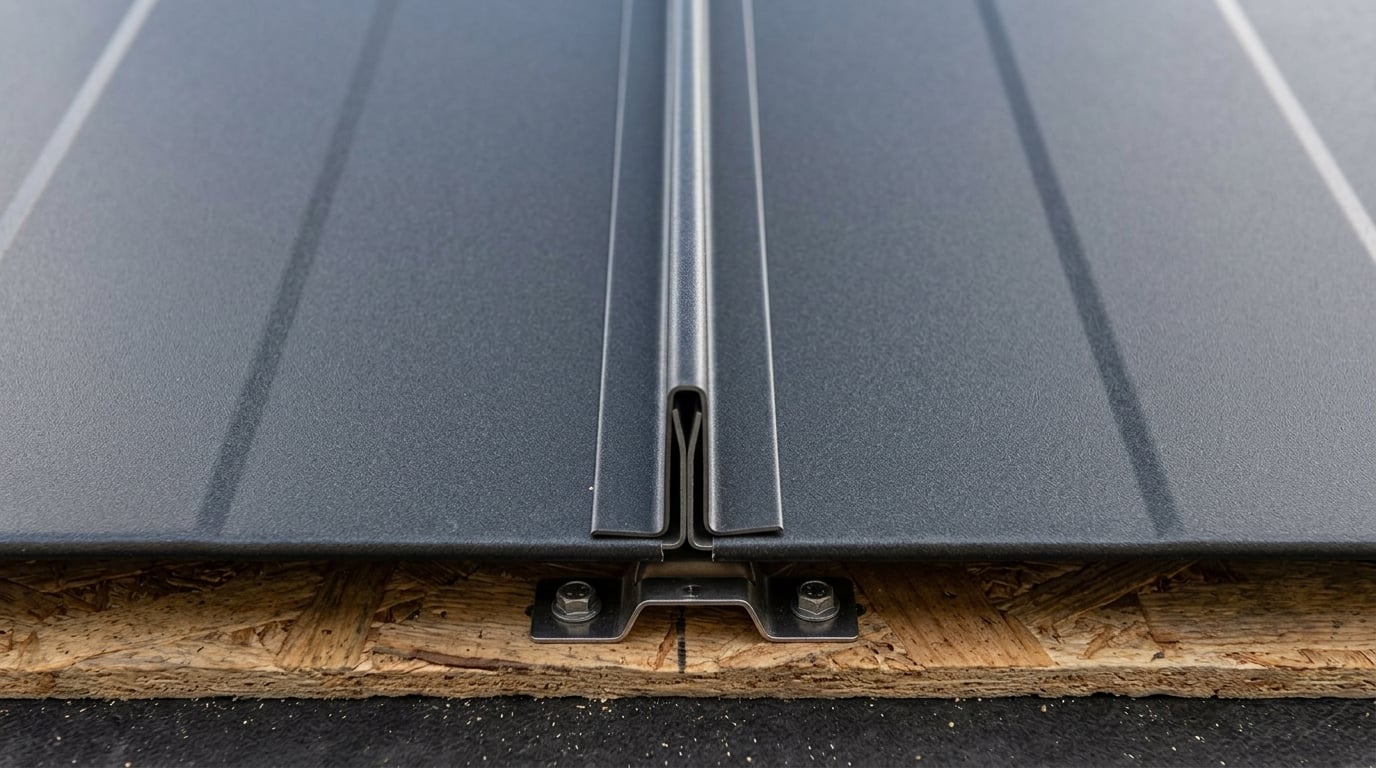
Concealed Standing Seam Clip
The Clips And Fasteners: Why 16/18-Gauge Clips And Two Screws Each?
Heavy 16/18-gauge concealed clips secured with two coated fasteners per clip create a stronger attachment system and eliminate exposed penetrations through the panel surface.
The clip system does the work of holding the roof onto the structure while allowing the metal to expand and contract.
We install:
Clip Spacing: Why Every 12 Inches When The Industry Uses 24?
Most Los Angeles installers place clips every 24 inches. We place them every 12 inches in the field and tighten spacing to 6-9 inches at eaves, rakes, and ridges where uplift forces are highest.
Attachment density matters. More clips create more attachment points resisting wind uplift.
The manufacturer's UL-90 tested minimum is 18 inches. We exceed it.
Learn More: High-Wind Standing Seam SystemsWhy 70% Kynar 500 PVDF, And Never SMP?
SMP paint fades and chalks significantly faster than a premium PVDF coating. We finish every roof with a 70% Kynar 500 PVDF system because Southern California UV exposure is relentless.
Most homeowners think they are buying metal. In reality, they are buying paint. The steel underneath can last for decades. The finish determines whether the roof still looks good decades later.
Kynar 500 PVDF is engineered to resist:
You can also explore available metal roof colors & finishes here.
Learn More: Kynar 500 vs SMP Paint SystemsWhat Goes Under The Metal?
High-temperature synthetic underlayment protects the roof deck beneath the metal. We do not use traditional felt because it performs poorly under the temperatures commonly created beneath metal roofing systems.
A dark metal roof can easily radiate temperatures exceeding 160 degrees onto the materials below it. That environment demands an underlayment designed specifically for metal roofing.
On the deck, we install Polyglass Polystick XFR, a fire-resistant self-adhered underlayment. Its patented Burn-Shield Technology carries a UL Class A fire rating, adds ember resistance right at the roof deck, and is built to take the heat of a metal roof. That gives your roof a layered defense: a non-combustible metal panel on top, a fire-resistant underlayment on the deck, and ember-resistant vents at every opening. If a wildfire ember ever gets past the surface, it meets a fire-resistant layer instead of bare wood. It is a detail most roofs never get, and one we never skip.
Learn More: Metal Roof UnderlaymentWhere Water Actually Gets In: Ice & Water Membrane
Water rarely enters through the middle of a standing seam panel. It enters where roofs change direction, where penetrations occur, and where different materials meet.
That is why we install self-adhered ice-and-water membrane at:
These are the locations water targets first.
Learn More: Ice & Water ShieldWhere Do Metal Roofs Actually Leak?
At transitions and penetrations. Not through the open field of the panel.
Most leaks occur around chimneys, skylights, walls, vents, valleys, and other roof transitions.
That is why we fabricate flashings on site instead of depending on caulk as the primary waterproofing method. A properly fabricated flashing sheds water mechanically. Caulk is only a supplement.
Learn More: Standing Seam Roof FlashingsWhat Is Hemming, And Why Does It Decide Whether Your Roof Stays On?
Hemming is the process of folding the panel edge and locking it around a continuous metal cleat at the roof perimeter. This creates a mechanical connection that is substantially stronger than relying on the final fastener alone.
Most crews skip hemming because it takes additional time and skill. We do not.
A properly hemmed edge distributes wind loads across the perimeter instead of concentrating force at isolated attachment points.
Learn More: High-Wind Standing Seam SystemsWhat Is The Most Common Metal Roof Installation Mistake?
The most common metal roof installation mistake is assuming that all standing seam roofs are built to the same standard. They are not. Most failures come from a collection of shortcuts that reduce cost during installation and reduce performance later.
Exposed Fasteners
A true standing seam roof uses concealed attachment, not rows of exposed screws through the panel face.
Learn More26-Gauge Steel
Thinner steel lowers cost but increases movement, denting, and the likelihood of oil canning.
SMP Paint Instead Of Kynar 500
Cheaper paint systems save money upfront and typically lose appearance much sooner.
Learn MoreNo Hemmed Edge
Skipping the hem and continuous cleat saves labor while reducing perimeter strength.
Learn MoreFelt Instead Of High-Temp Underlayment
Traditional felt is cheaper but poorly suited for metal roofing temperatures.
Learn MoreFactory-Cut Panels
Pre-cut panels are faster. On-site forming delivers a more precise fit.
Common Metal Roof Installation Mistakes
Low-Bid Shortcuts
Our Standards
Most shortcuts are invisible after installation. That is why comparing specifications matters more than comparing appearances.
How Can You Tell A Quality Metal Roof Installation From A Cheap One?
Ask questions about the specifications, not the color or the panel profile. A quality metal roof installation is defined by the hidden components: steel thickness, clip design, attachment density, paint system, waterproofing, flashing details, and workmanship standards. You do not need to be a sheet-metal expert. You only need to know what to ask.
What Gauge Steel Are You Installing?
A premium standing seam roof should use 24-gauge steel as the baseline architectural standard, with 22-gauge available for demanding applications.
Learn MoreWhat Paint System Are You Using?
Ask whether the finish is SMP or 70% Kynar 500 PVDF. The answer affects how the roof will look decades from now.
Learn MoreHow Far Apart Are The Clips?
Clip spacing directly affects attachment density and wind performance.
Learn MoreAre The Fasteners Concealed?
A true standing seam system uses concealed clips and concealed attachment.
Learn MoreWhat Underlayment Goes Under The Roof?
High-temperature synthetic underlayment is designed specifically for metal roofing conditions.
Learn MoreHow Are The Flashings Fabricated?
The best systems rely on fabricated flashing details, not excessive caulking.
Learn MoreAre The Panels Formed On Site?
Ask whether the panels are factory-cut or formed on site.
Is The Roof Hemmed At The Perimeter?
A hemmed edge and continuous cleat system provide a stronger perimeter attachment.
Learn MoreQuestions Every Homeowner Should Ask
For a deeper homeowner guide, see: How To Choose A Metal Roofing Contractor
To see how our systems are fabricated and installed: Standing Seam Metal Roof Installation
The answers to these questions will tell you far more about a roofing proposal than the final price on the last page.
What Does Our 8-Year Workmanship Warranty Cover?
Our 8-year workmanship warranty covers the installation itself: flashing fabrication, waterproofing details, attachment methods, panel installation, trim installation, and workmanship performed by our crew.
Most homeowners focus first on the manufacturer's paint warranty. That matters. The workmanship warranty matters more.
A paint warranty covers the finish. A workmanship warranty covers the installation.
If a roof leaks because of poor flashing, improper fastening, incorrect clip installation, or installation errors, the paint warranty does not fix that problem. The installation warranty does.
Why Labor Warranty Length Matters
A contractor willing to stand behind the installation for years has confidence in:
Most roofing warranties look impressive on paper because of the manufacturer's coverage. The real test is whether the installer is willing to stand behind the labor. That is where roofing systems succeed or fail.
To learn more about the manufacturers and materials we install: The Brands We Install
If you are comparing proposals, do not just compare warranty length. Compare what is actually being warranted.
What Our Workmanship Warranty Covers
8 Years
Workmanship Warranty
What Are the 8 Parts of a Metal Roof System?
Every standing seam roof is a collection of components working together as a single system. The pages below explain each component in detail, the shortcuts commonly used by low-bid contractors, and the standards we install instead.
On-Site Roll Forming
How we form every standing seam panel on your roof to its exact length, with no end laps and no transport damage.
Learn More24 vs 26-Gauge Metal Roofing
Steel thickness affects dent resistance, rigidity, wind performance, and long-term durability.
Learn MoreMetal Roof Clips & Fasteners
The concealed attachment system that secures the roof while allowing thermal movement.
Learn MoreHigh-Wind Standing Seam Systems
Clip spacing, perimeter attachment, and hemming all influence wind resistance.
Learn MoreKynar 500 vs SMP Paint Systems
The difference between a finish that still looks great decades later and one that begins fading much sooner.
Learn MoreMetal Roof Underlayment
The protective layer between the metal roof and the roof deck.
Learn MoreIce & Water Shield
Secondary waterproof protection at the roof's most vulnerable locations.
Learn MoreStanding Seam Roof Flashings
Custom-fabricated sheet-metal details that protect penetrations and roof transitions.
Learn MoreStanding Seam Roof Warranty Guide
What workmanship warranties cover, what manufacturer warranties cover, and why both matter.
Learn MoreStanding Seam Panel Profiles
Snap-lock, mechanical seam, or nail strip: how each profile locks, the roof slopes each one fits, and which profiles we install and why.
Learn MoreA standing seam roof is not a single product. It is a system.
Understanding the individual components is the fastest way to understand the difference between a premium installation and a low-bid alternative.
What Other Questions Should I Ask?
What Are The Components Of A Metal Roof System?
The primary components are the steel gauge, concealed clips, fasteners, underlayment, ice & water shield, flashings, hemmed edges, and paint system. Together they determine how the roof performs over decades.
What Makes One Metal Roof Installation Better Than Another?
The hidden specifications. Steel thickness, clip design, clip spacing, waterproofing, flashing fabrication, paint system, and workmanship standards have a greater impact on performance than the visible panel itself.
What Is The Most Common Metal Roof Installation Mistake?
Using a collection of cost-cutting shortcuts such as 26-gauge steel, wide clip spacing, SMP paint, exposed fasteners, minimal waterproofing, and simplified flashing details.
What Gauge Should A Standing Seam Metal Roof Be?
For most Southern California homes, 24-gauge steel is the architectural standard. 22-gauge is the upgrade for demanding applications.
Learn moreHow Far Apart Should Standing Seam Clips Be?
We install clips every 12 inches in the field and tighten spacing to 6-9 inches at critical perimeter areas where uplift forces are strongest.
Learn moreAre The Fasteners Exposed On A Standing Seam Roof?
No. A true standing seam roofing system uses concealed clips and concealed attachment rather than exposed screws through the panel face.
Learn moreWhat Is Hemming And Why Does It Matter?
Hemming folds the panel edge around a continuous cleat at the roof perimeter. This creates a stronger mechanical connection and improves wind resistance.
What Underlayment Goes Under A Metal Roof?
We install high-temperature synthetic underlayment designed specifically for metal roofing systems.
Learn moreWhere Do Metal Roofs Actually Leak?
Most leaks occur at transitions and penetrations such as skylights, chimneys, vents, valleys, and wall intersections.
Learn moreWhat Finish Should A Metal Roof Have?
A 70% Kynar 500 PVDF finish provides superior resistance to fading, chalking, and UV degradation.
Learn moreHow Long Does A Properly Installed Metal Roof Last?
A properly installed standing seam metal roof typically lasts 50 years or more, with many systems reaching 70+ years.
How Can I Tell If A Metal Roof Installer Is Cutting Corners?
Ask about steel gauge, clip spacing, paint system, underlayment, flashing fabrication, hemming, and warranty coverage. If the contractor cannot answer clearly, keep asking questions.
Do You Warranty Your Installation, And On Which Brands?
Yes. We offer an 8-year workmanship warranty and primarily install Taylor Metal and Sheffield Metals products.
Learn more See brandsA standing seam roof is not defined by the color you choose or the panel profile you see from the street.
It is defined by the standards hidden underneath.
Steel thickness. Clip design. Attachment density. Underlayment. Waterproofing. Flashing fabrication. Perimeter attachment. Paint chemistry.
Those are the specifications that determine whether a roof performs for decades or becomes another replacement project.
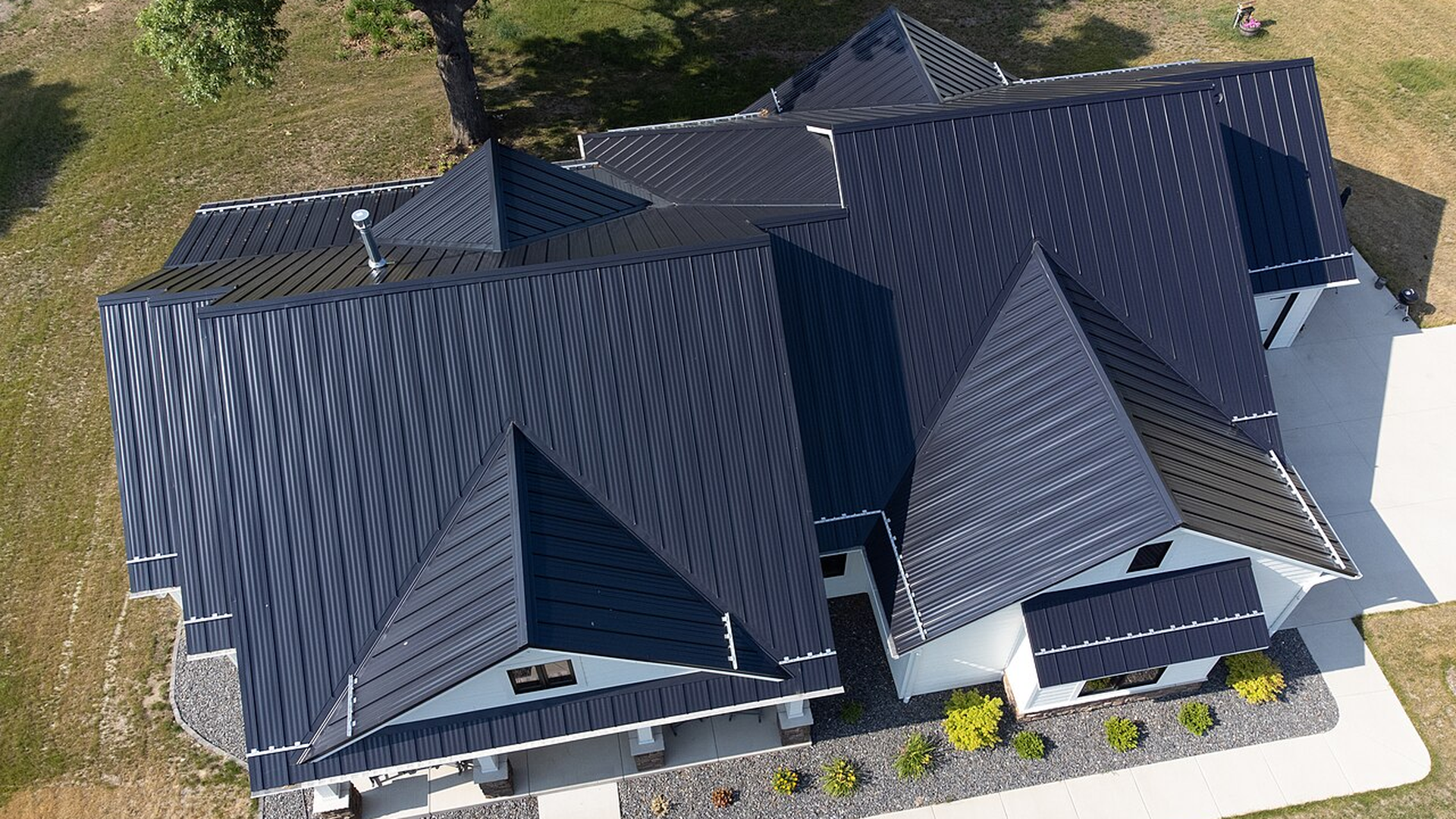
What Do Our Installation Standards Look Like on a Real Roof?
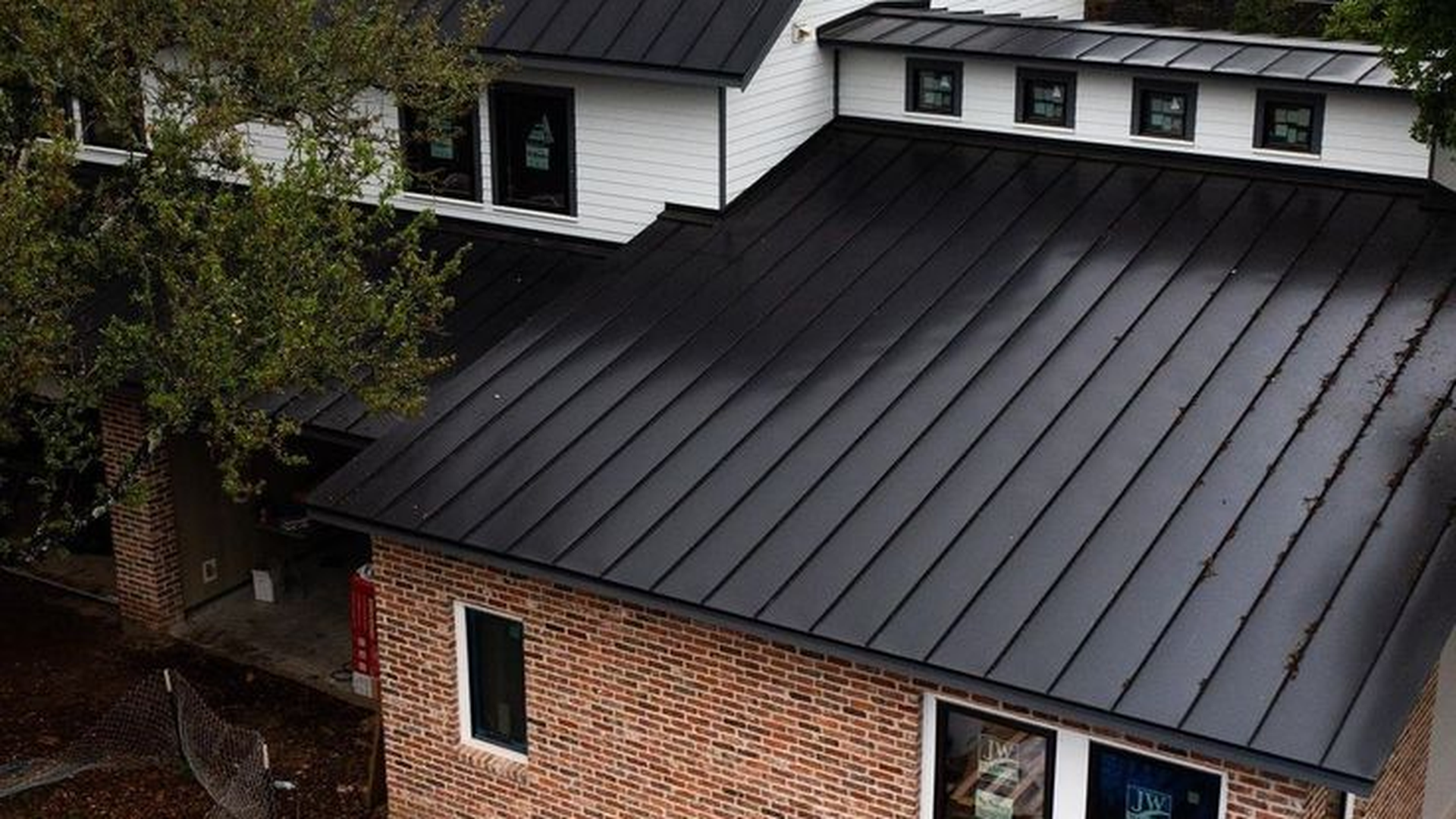
Modern Home
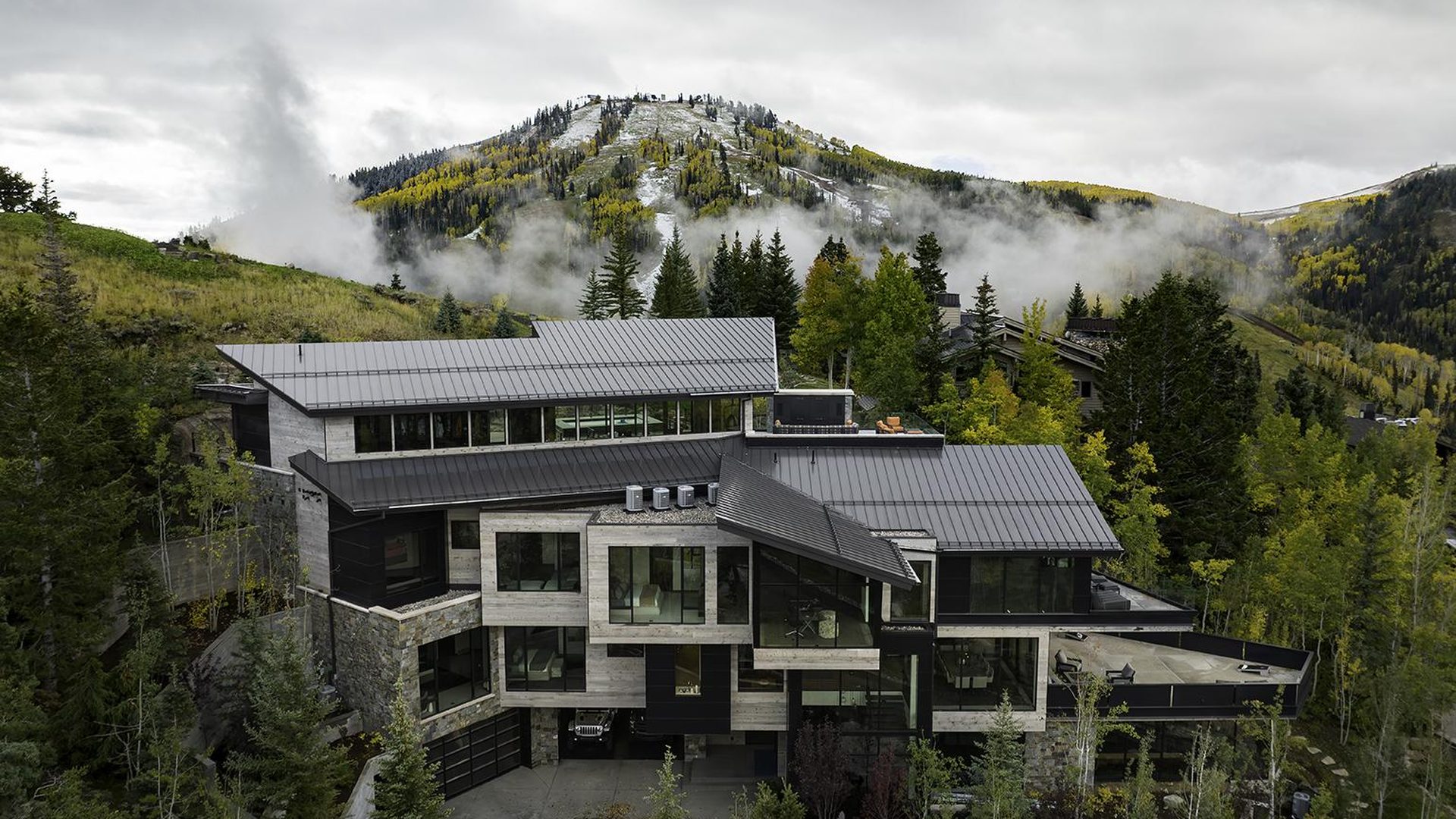
Luxury Residence
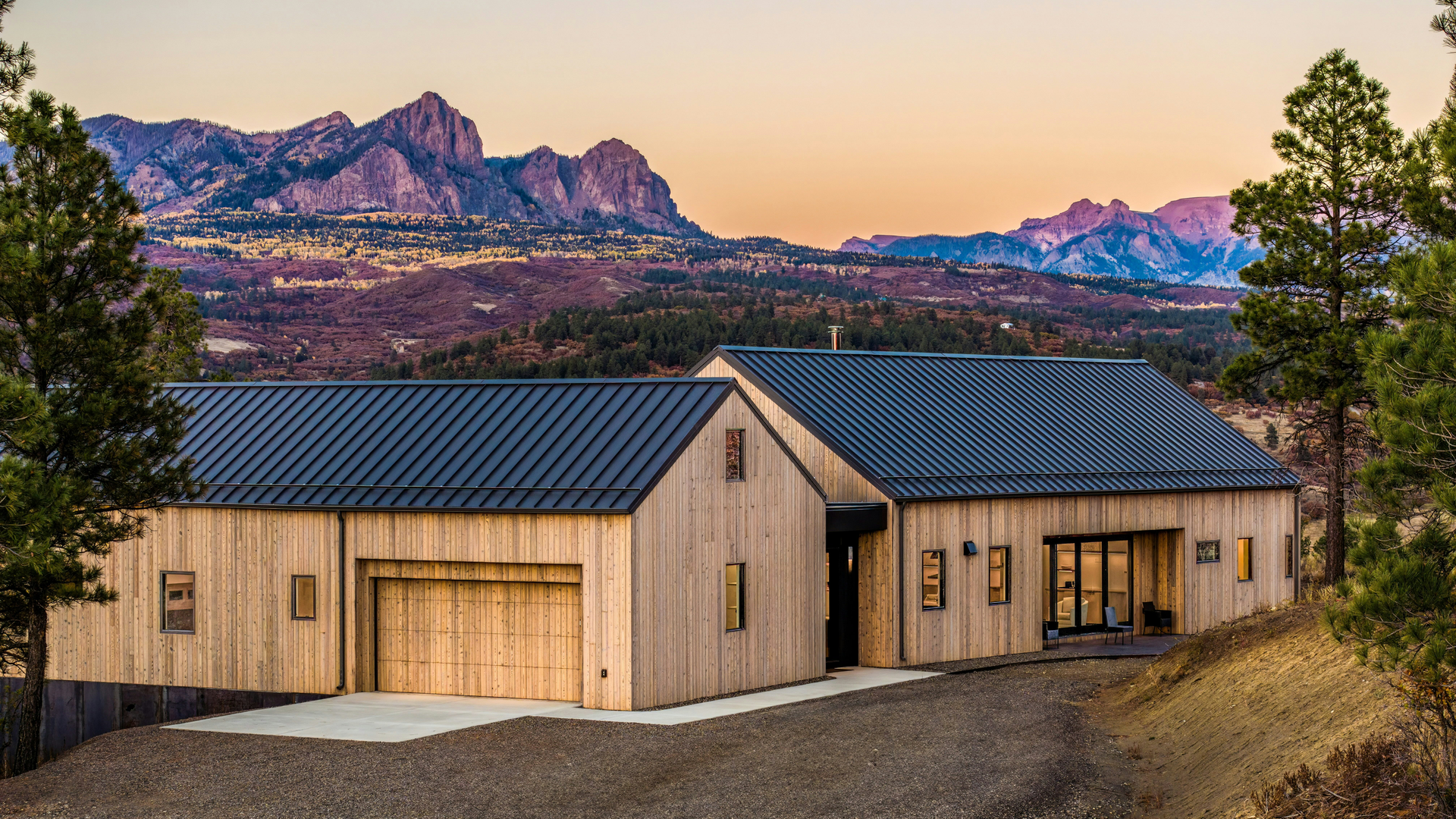
Hillside Property
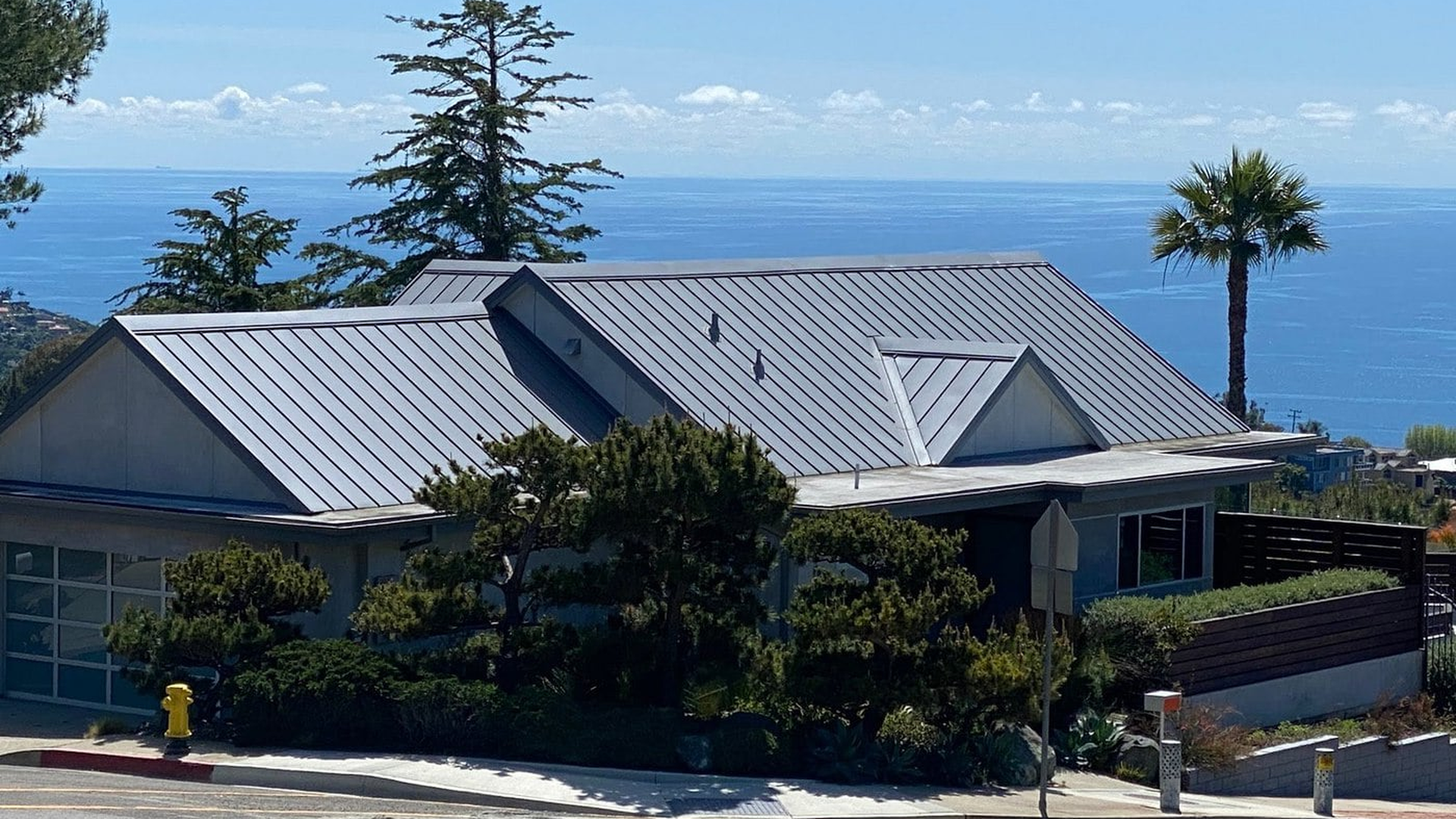
Coastal Home
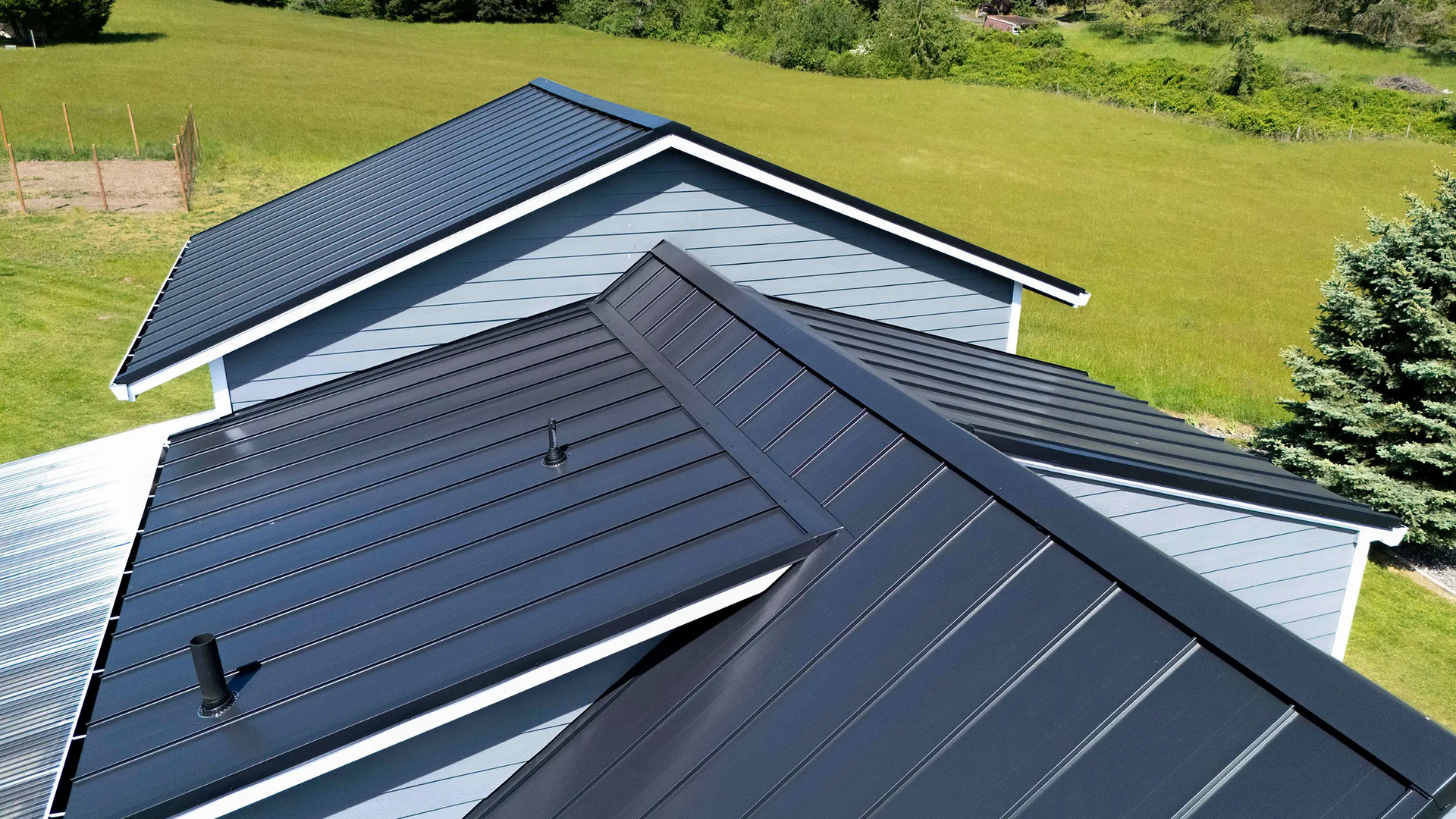
Long Panel Runs
Complex Geometry
Architectural Design
Detail Craftsmanship
Get a Free Roof Quote
We will review your roof, explain the specifications that matter, and provide a detailed proposal built around proven installation standards.
No high-pressure sales presentation. No guessing. No hidden shortcuts.
Get a Quote for a Roof Built to These Standards
Fill out the form and we will review your roof, explain the specifications that matter, and provide a detailed proposal.
You are hiring the contractor other roofers hire.
We fabricate, form, and install the roofing system ourselves instead of passing the project through multiple layers of markup.
Installation Superiority
- Installation Superiority Hub
- On-Site Roll Forming
- Metal Roof Clips & Fasteners
- Metal Roof Underlayment
- Ice & Water Shield Under Metal Roofing
- Standing Seam Roof Flashings
- 24 Gauge vs 22 Gauge Metal Roofing
- Kynar 500 vs SMP Paint Systems
- Standing Seam Roof Warranty Guide
- High Wind Standing Seam Roofing Systems