24-Gauge vs 26-Gauge Metal Roofing in Los Angeles: Which Should Be on Your Roof?
The cheapest way for a roofer to lower a metal-roof bid is to make the metal thinner, and you won't see it until the panels start to ripple.
For a standing seam roof in Los Angeles, 24-gauge metal roofing is the standard and 22-gauge metal roofing is the upgrade for large planes, long runs, and coastal or high-wind exposure. 26-gauge is barn metal: it oil-cans, dents, and flexes. We don't install or warranty 26-gauge.
5.0 Rating / 150+ Reviews
What Does Metal Roof Gauge Mean?
Metal roof gauge, or metal roofing thickness, is the thickness of the steel. The lower the gauge number, the thicker and stronger the metal. For standing seam roofing, 22-gauge is the thickest common architectural steel, 24-gauge is the standard, and 26-gauge is the thinner low-bid option.
This is one of the most misunderstood specifications in metal roofing.
Many homeowners assume a metal roof is a metal roof.
It is not.
A 22-gauge panel, a 24-gauge panel, and a 26-gauge panel may look similar after installation, but they perform very differently over decades of expansion, contraction, wind exposure, and weather.
Steel Gauge Basics
22-Gauge Steel
- Thickest common architectural steel
- Strongest and most rigid
- Lowest oil-canning risk
- Premium upgrade option
24-Gauge Steel
- Architectural standard
- Excellent rigidity and durability
- Strong resistance to denting and oil canning
- Most common premium standing seam choice
26-Gauge Steel
- Thinner steel
- More movement and flex
- Greater oil-canning risk
- Commonly used to lower bid prices
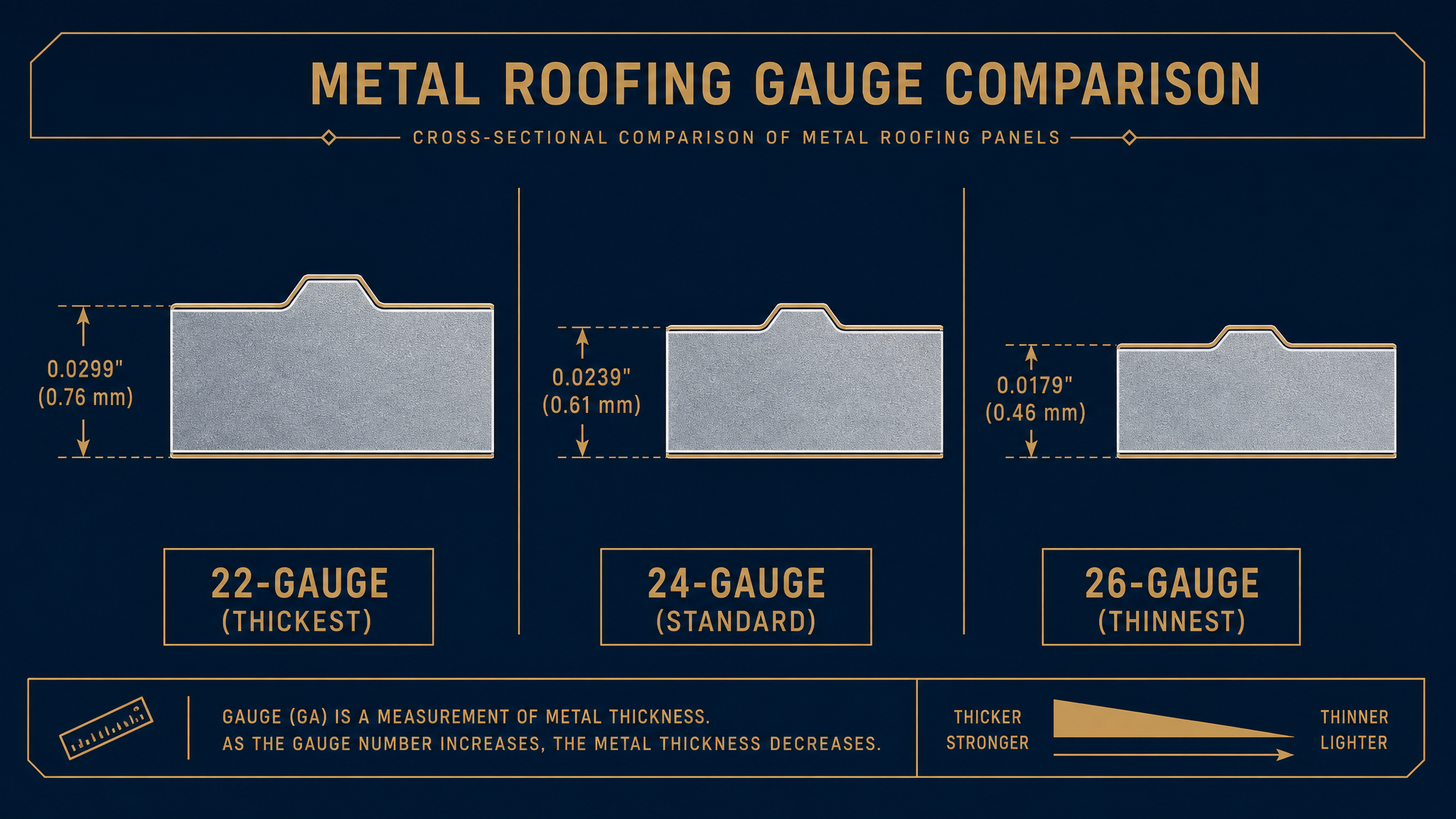
22-Gauge vs 24-Gauge vs 26-Gauge Steel
One important note:
Aluminum is not measured in gauge.
Aluminum is measured in thickness, typically .032-inch or .040-inch aluminum.
If you are evaluating a coastal project, see: Coastal Aluminum Roofing
Gauge affects rigidity, dent resistance, wind performance, and the likelihood of visible rippling known as oil canning.
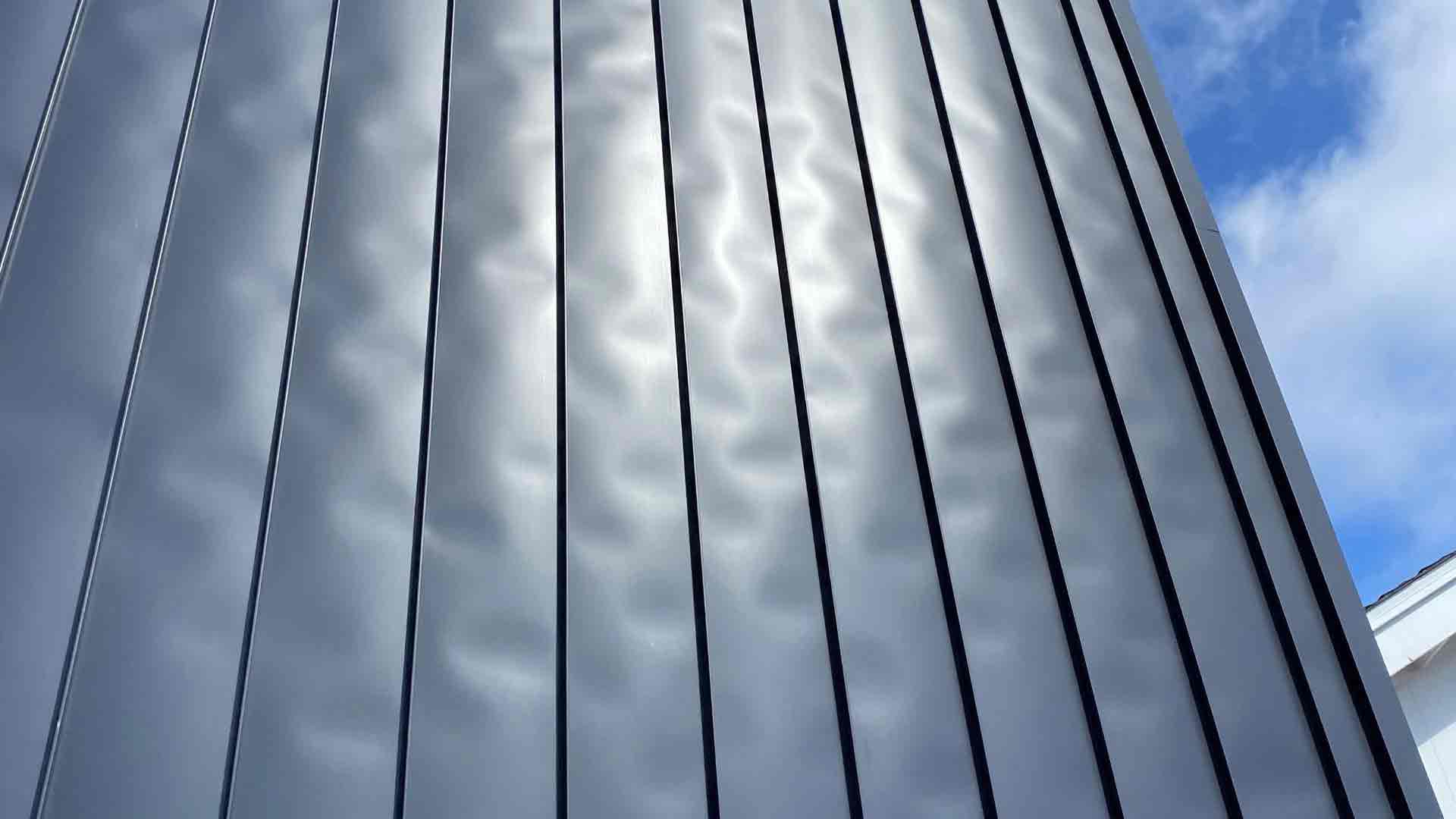
Oil Canning On Thin-Gauge Steel
Why Do Most Low Bids Use 26-Gauge?
Because thinner steel costs less.
26-gauge is one of the easiest ways for a contractor to reduce material costs and submit a lower proposal. The savings show up in the bid price immediately. The trade-offs remain for the life of the roof.
Most homeowners never ask what gauge steel is included in the proposal.
Many contractors know that.
As a result, 26-gauge often becomes the easiest place to cut costs without changing the appearance of the finished roof.
The issue is not whether 26-gauge can be installed.
It can.
The issue is whether it belongs on a premium standing seam roof.
We do not believe it does.
Compared to 24-gauge steel, 26-gauge:
- Flexes more
- Dents more easily
- Has a higher oil-canning risk
- Feels less substantial under thermal movement
- Provides less rigidity across large roof planes
One of the most common homeowner complaints after a metal roof installation is visible waviness.
The roof may be structurally sound and completely watertight.
It simply does not look the way the homeowner expected.
This is why 26-gauge is commonly found on agricultural buildings, utility structures, sheds, and low-cost roofing projects.
It lowers the bid.
That is its primary advantage.
For premium residential standing seam roofing, we install 24-gauge as our standard and 22-gauge when additional rigidity and performance are warranted.
Why Is 24-Gauge Our Standard?
24-gauge steel delivers the best balance of strength, appearance, engineering, and long-term performance. It is the architectural standard for premium standing seam roofing and the gauge we install on most residential projects.
If 26-gauge is the low-bid option and 22-gauge is the upgrade, 24-gauge sits squarely in the middle.
It is thick enough to resist denting, flexing, and oil canning far better than 26-gauge while remaining practical for most residential applications.
24-gauge provides:
- Excellent rigidity
- Strong dent resistance
- Reduced oil-canning risk
- Better wind performance
- Broad engineering and UL testing availability
- Full architectural color availability
- Long-term durability
Most premium standing seam roofing systems throughout Southern California are built around 24-gauge steel.
There is a reason.
It works.
The steel feels substantial, performs well under decades of thermal movement, and maintains a flatter appearance across large roof surfaces.
Another advantage is compatibility.
Most premium standing seam systems, testing packages, and engineering approvals are built around 24-gauge steel because it has become the benchmark architectural standard.
That gives homeowners more choices without sacrificing performance.
24-gauge also pairs exceptionally well with proper clip spacing, high-wind attachment details, and premium PVDF coatings.
For most homes in Los Angeles, Orange County, Ventura County, and surrounding areas, 24-gauge is the right answer.
It delivers the performance homeowners expect from a premium standing seam roof without the added cost of stepping up to 22-gauge.
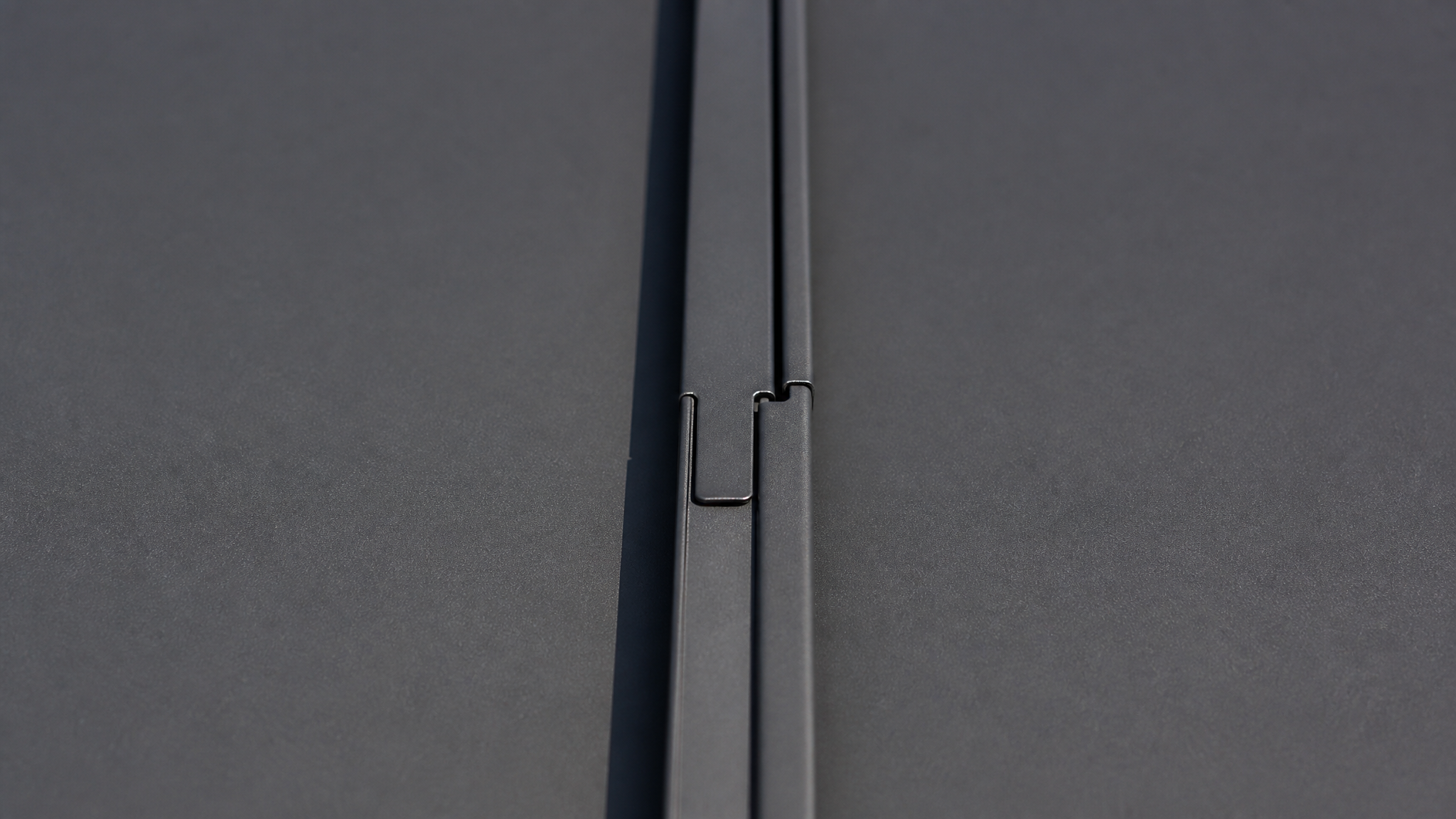
24-Gauge Architectural Standing Seam Roof
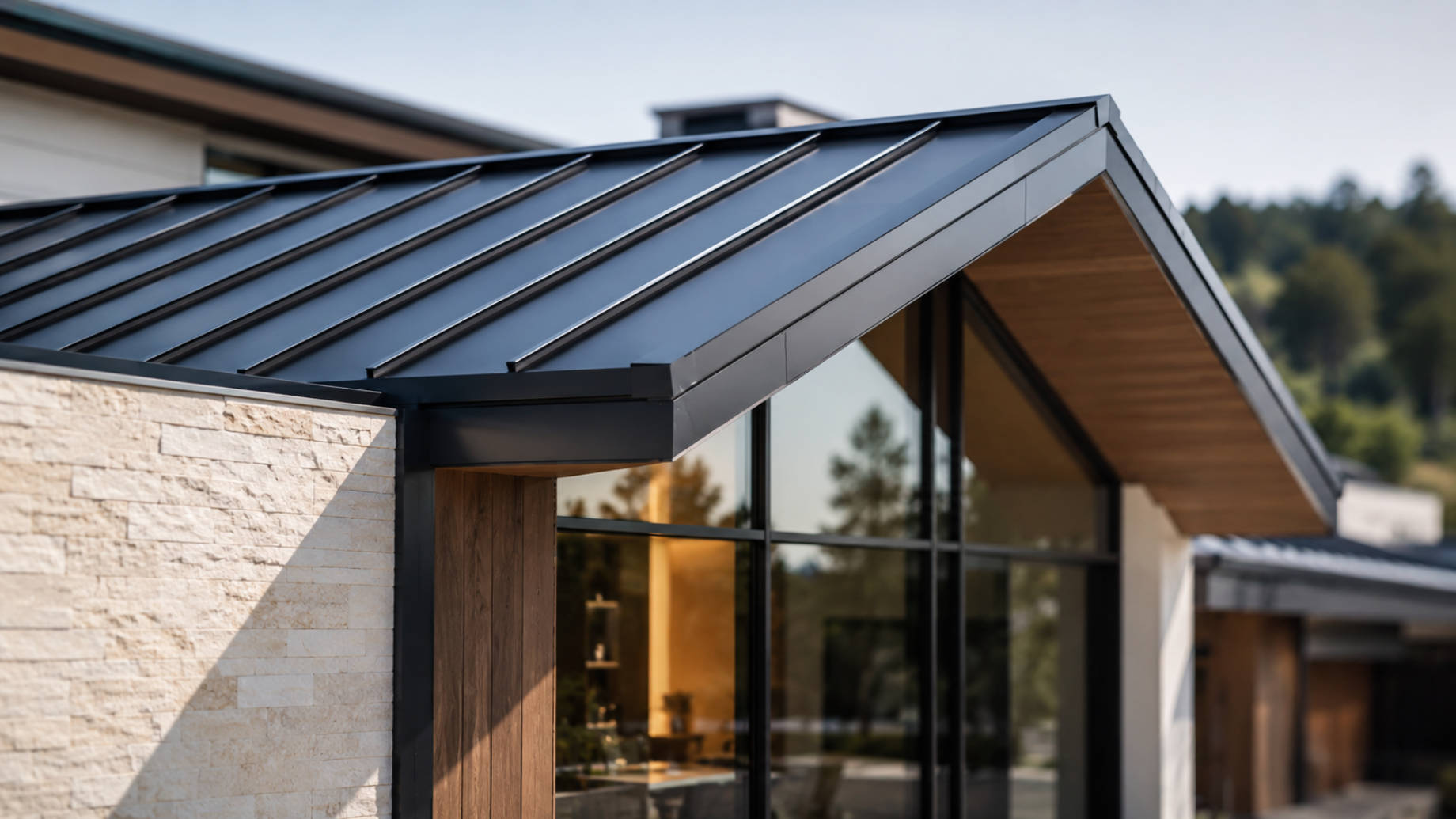
22-Gauge Standing Seam Roof
When Do We Step Up To 22-Gauge?
22-gauge steel is the upgrade for situations where maximum rigidity and performance matter. We recommend it for large visible roof planes, long panel runs, coastal environments, high-wind exposure, hail-prone areas, and luxury homes where appearance is critical.
Most homes do not require 22-gauge.
That is why 24-gauge remains our standard.
But some projects benefit from going heavier.
The larger the roof plane, the more important rigidity becomes.
Long uninterrupted panel runs place greater demands on the steel.
The same is true for homes exposed to stronger wind loads or harsher environmental conditions.
We commonly recommend 22-gauge for:
- Large contemporary homes
- Luxury custom residences
- Long standing seam panel runs
- High-wind locations
- Coastal environments
- Hail-prone regions
- Homes where minimizing oil canning is a priority
The biggest advantage is rigidity.
22-gauge steel moves less, flexes less, and provides the flattest appearance available in architectural steel roofing.
That becomes particularly valuable on modern homes where large uninterrupted roof planes are highly visible.
22-gauge also provides the strongest uplift resistance when combined with proper clip spacing, perimeter attachment, and high-wind detailing.
High-Wind Standing Seam SystemsFor homeowners investing in a premium custom home, the upgrade is worth it.
The roof feels more substantial.
The panels stay flatter.
The system performs better under demanding conditions.
Not every project needs 22-gauge.
But when appearance, rigidity, and performance are pushed to the highest level, it is the best steel available for a residential standing seam roof.
22-Gauge vs 24-Gauge vs 26-Gauge: What's The Difference?
The difference is strength, rigidity, appearance, and long-term performance. As steel gets thicker, resistance to denting, wind movement, and oil canning improves. As steel gets thinner, cost goes down but performance margins shrink.
The takeaway is simple. 24-gauge is our standard. 22-gauge is the upgrade. We do not install 26-gauge.
Metal Roof Gauge Comparison
| Specification | 29-Gauge | 26-Gauge | 24-Gauge | 22-Gauge |
|---|---|---|---|---|
| Relative Thickness | Thinnest | Thin | Architectural Standard | Thickest Common Architectural Steel |
| Typical Use | Agricultural Panels | Barns, Sheds, Low-Bid Roofing | Premium Residential Roofing | Luxury & High-Performance Roofing |
| Oil-Canning Risk | Highest | High | Low | Lowest |
| Dent Resistance | Lowest | Moderate | High | Highest |
| Wind Performance | Lowest | Moderate | High | Highest |
| Rigidity | Lowest | Moderate | High | Highest |
| Standing Seam Suitability | Poor | Acceptable But Not Preferred | Excellent | Excellent |
| Common In Luxury Homes | Rare | Rare | Very Common | Common |
| Installed By The Metal Roof Pros | No | No | Yes | Yes |
Aluminum Thickness Comparison
| Material | Common Thickness |
|---|---|
| Aluminum Roofing | .032 Inch |
| Heavy-Duty Aluminum Roofing | .040 Inch |
Unlike steel, aluminum is measured in inches, not gauge.
If you are evaluating a coastal project, see: Coastal Aluminum Roofing
Performance Comparison
Rigidity
Dent Resistance
Oil-Canning Resistance
Wind Performance
Why Do We Only Warranty 22 and 24-Gauge Steel?
We only install and warranty 22-gauge and 24-gauge steel roofing systems. We do not install 26-gauge standing seam roofing because we are not comfortable standing behind it for the long term.
A workmanship warranty reflects confidence.
Confidence in the materials.
Confidence in the installation standards.
Confidence in the finished system.
That is why we limit our installations to the gauges we trust.
For most homes, that means 24-gauge steel.
For projects requiring additional rigidity and performance, that means 22-gauge steel.
We also limit our installations to manufacturers we trust. The overwhelming majority of our projects use:
- Taylor Metal
- Sheffield Metals
What We Install And Warranty
- 24-Gauge Steel
- 22-Gauge Steel
- Taylor Metal
- Sheffield Metals
- Premium Standing Seam Systems
What We Do Not Install
- 26-Gauge Standing Seam Roofing
- Low-Bid Commodity Roofing Systems
Install materials you trust.
Build the roof correctly.
Stand behind the result.
CSLB #1234567 | (818) 937-4500(818) 937-4500
What Other Questions Should I Ask?
What does "gauge" mean on a metal roof, and why does it matter?
Gauge is the way steel thickness is measured, and the confusing part is that a lower number means thicker steel. So 22-gauge steel is heavier than 24-gauge, and both are much heavier than thin 26-gauge. Gauge matters because thicker steel stays flat, resists dents and waviness, and holds up better in wind and hail. The gauge is one of the biggest differences between a roof that looks crisp for decades and one that ripples.
What is the best gauge for a metal roof?
The best gauge for a residential metal roof is 22 or 24-gauge steel, and that is all we install. These heavier gauges stay flat and crisp, resist oil-canning and denting, and carry the top Class 4 impact rating against hail. We never install thin 26-gauge steel, and we do not warranty it, because it is too light to perform or look right on a premium roof.
What is the difference between 24-gauge and 26-gauge metal roofing?
24-gauge steel is meaningfully thicker and stiffer than 26-gauge, even though the numbers look close. That extra thickness is what keeps a 24-gauge panel flat and dent-resistant, while thin 26-gauge is prone to oil-canning, denting, and looking wavy. 26-gauge is common on cheap installs and barns because it costs less, but for a home you want at least 24-gauge. We install 22 and 24-gauge only.
What is the difference between 22-gauge and 24-gauge?
22-gauge steel is the thickest, most rigid panel we offer, and is a premium upgrade. Both 22 and 24 stay flat and resist oil-canning; 22-gauge simply gives a little more stiffness and dent resistance for larger or longer run panels and high-wind roofs. We recommend 22 gauge for any panels longer than 15 ft.
What is oil-canning, and does the gauge cause it?
Oil-canning is the visible waviness or rippling you sometimes see across the flat part of a metal panel, and thin gauge is one of the main causes. The lighter the steel, the more it flexes and shows that waviness, which is why cheap 26-gauge roofs oil-can, and once it happens it is permanent. Heavier 22 and 24-gauge steel stays rigid and flat, so we use it to keep your roof looking crisp for its whole life. This is why we do not install 26 gauge steel, only 22 or 24.
Is aluminum measured in gauge like steel?
No, aluminum is measured in inches of thickness, not in gauge like steel, so you should never see a real metal roofer quote 24-gauge aluminum. On coastal homes we install heavy .032-inch and .040-inch aluminum, which does not rust in salt air. Steel uses gauge, aluminum uses inches, and knowing the difference is a quick way to tell a metal specialist from a general roofer.
Does a thicker gauge cost more?
A thicker gauge costs a little more in raw material, but the difference is worth it. A flat, dent-resistant roof never has to be redone because it oil-canned or dinged. 24-gauge steel is simply part of our standard price. 22 gauge costs about 10% more ($1.40 - $1.80 per square foot).
Why do cheaper metal roofs use 26-gauge steel?
Cheaper metal roofs use 26-gauge steel for one reason: it costs less, because there is less metal in every panel. But using cheap metal is exactly why metal roofs oil-can, dent more easily, and often are not warrantied for very long. Many low bids quietly spec 26-gauge to hit a lower price in order to win the job, so it pays to ask what gauge is in the quote. We refuse to install it, because we know 26 gauge steel will be problematic.
Get a Free Quote by Email
The right steel gauge affects how your roof looks, how it performs, and how long it lasts.
That decision is locked in before installation begins.
Once the panels are on the roof, changing gauge means replacing the roof.
That is why it is worth getting right the first time.
24-Gauge And 22-Gauge Standing Seam Projects
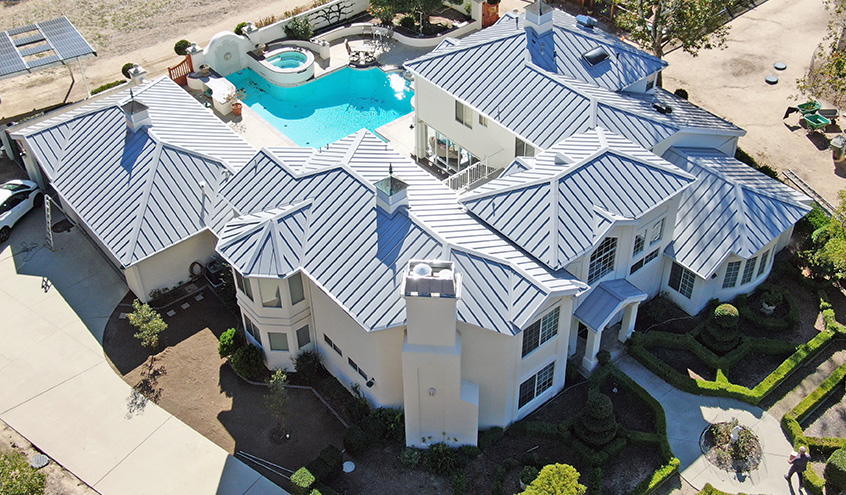
Luxury Custom Home
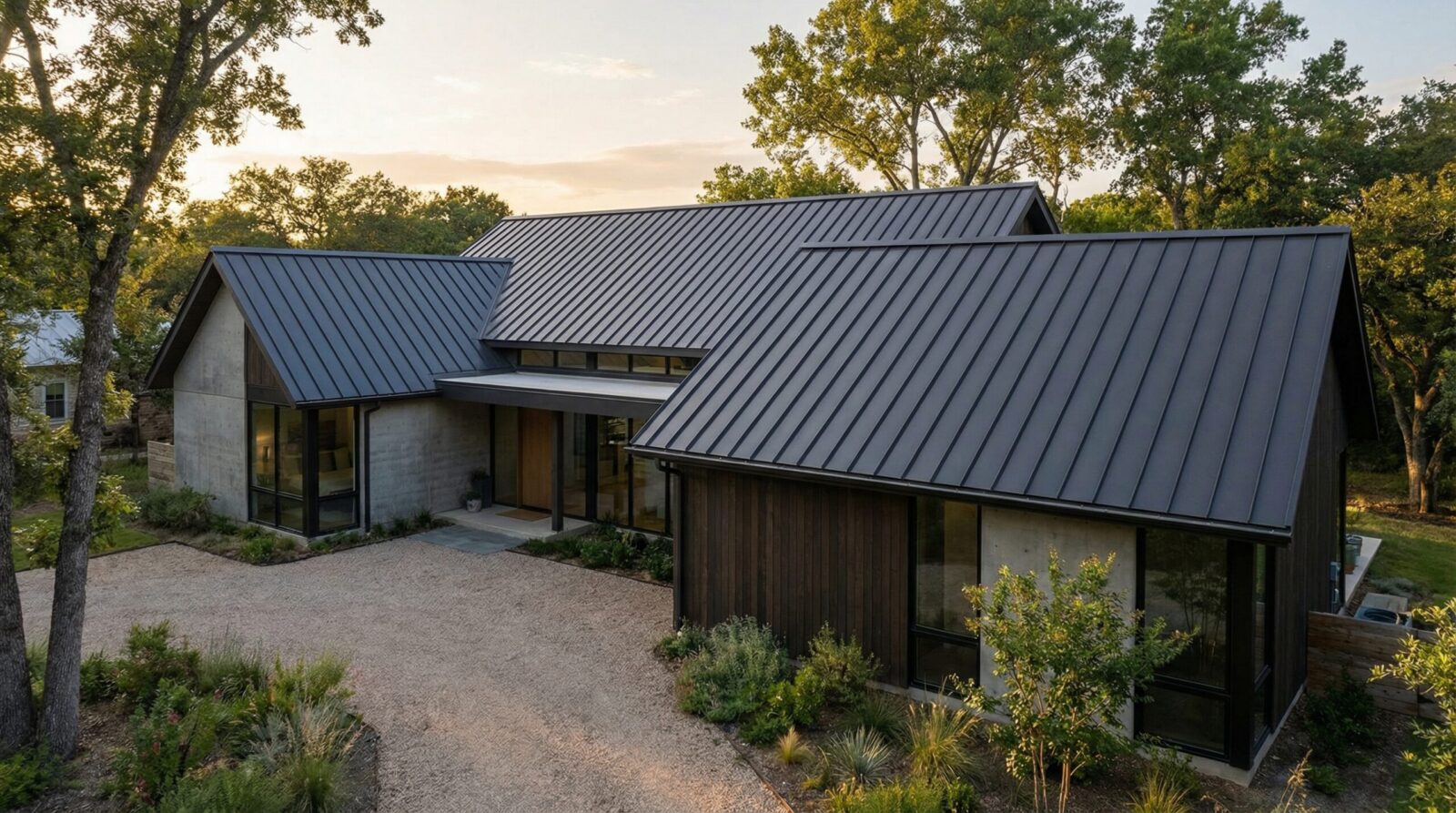
Modern Architecture
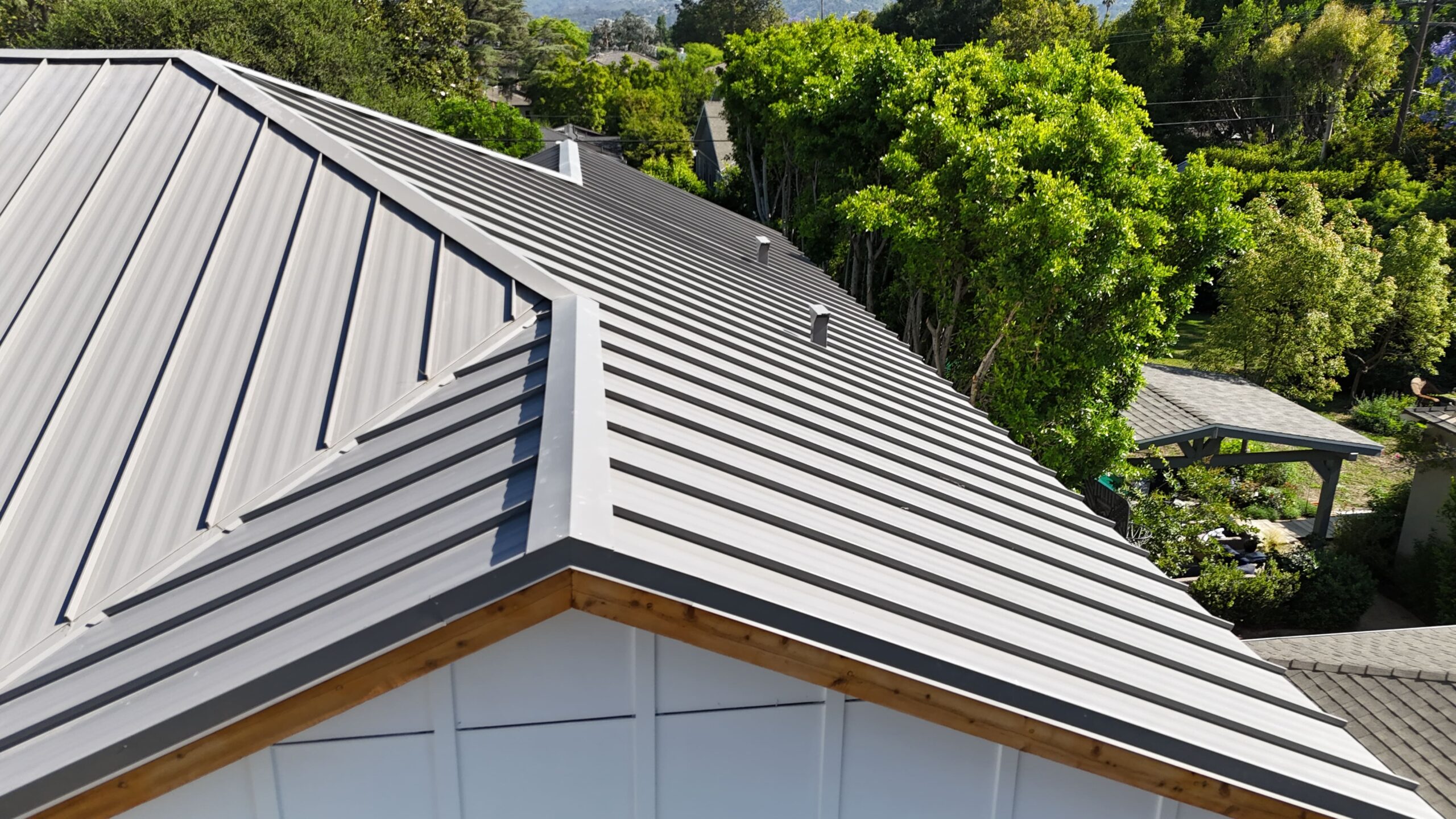
Hillside Property
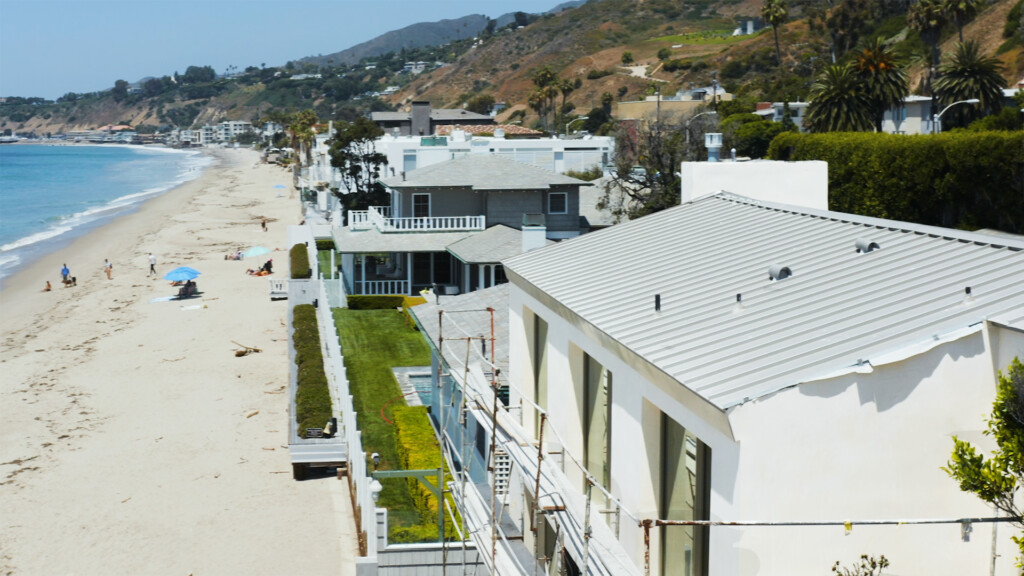
Coastal Project
Long Panel Runs
Architectural Standing Seam
Helpful Resources
CSLB #1234567 | (818) 937-4500(818) 937-4500