Anatomy of a Metal Roof
What are the primary panel locking profiles?
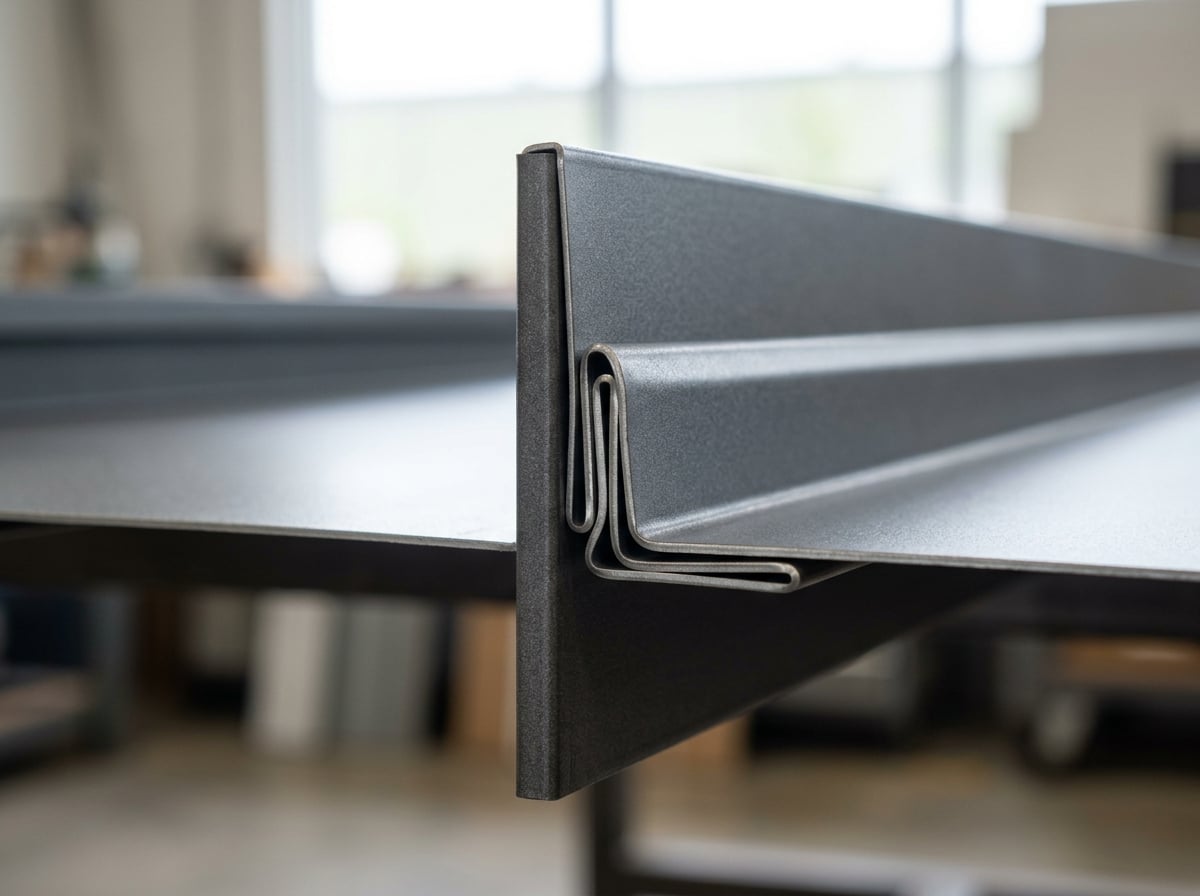
Standing seam panels connect through either a mechanical lock or a snap-lock profile. A mechanical lock uses a hand or electric seaming tool to fold the male and female edges together on-site, creating the most weather-tight joint available. Snap-lock panels click together without tools, offering faster installation on standard-pitch roofs.
Mechanical lock is required on roof pitches below 3:12. Snap-lock is only rated for pitches of 3:12 and above.
What does 24-gauge steel actually mean?
Gauge measures the thickness of the steel substrate before coating. 24-gauge is the premium standard for architectural standing seam, measuring approximately 0.0239 inches thick. Lower numbers mean thicker steel. Both Taylor Metal and Sheffield Metals manufacture their architectural panels on a 24-gauge Galvalume base.
What is the Kynar 500 PVDF coating system?
Kynar 500 is a fluoropolymer resin manufactured by Arkema. When applied as a PVDF coating on metal panels, it creates a chemical barrier that resists UV degradation, salt corrosion, acid rain, and industrial pollutants. It is the same resin chemistry used on bridges, airports, and military infrastructure. Both Taylor and Sheffield use Kynar 500 as their base coating formula.
What goes underneath the metal panels?
The underlayment is a synthetic or self-adhering membrane installed directly on the roof deck before any panels are set. It serves as the secondary water barrier. If moisture ever bypasses the panel system due to extreme wind-driven rain or condensation, the underlayment stops it from reaching the deck structure.
We use high-temperature synthetic underlayment rated for metal-to-deck contact. Standard felt paper is not compatible with standing seam installations. Read more about common underlayment failures.
Why are concealed fasteners critical?
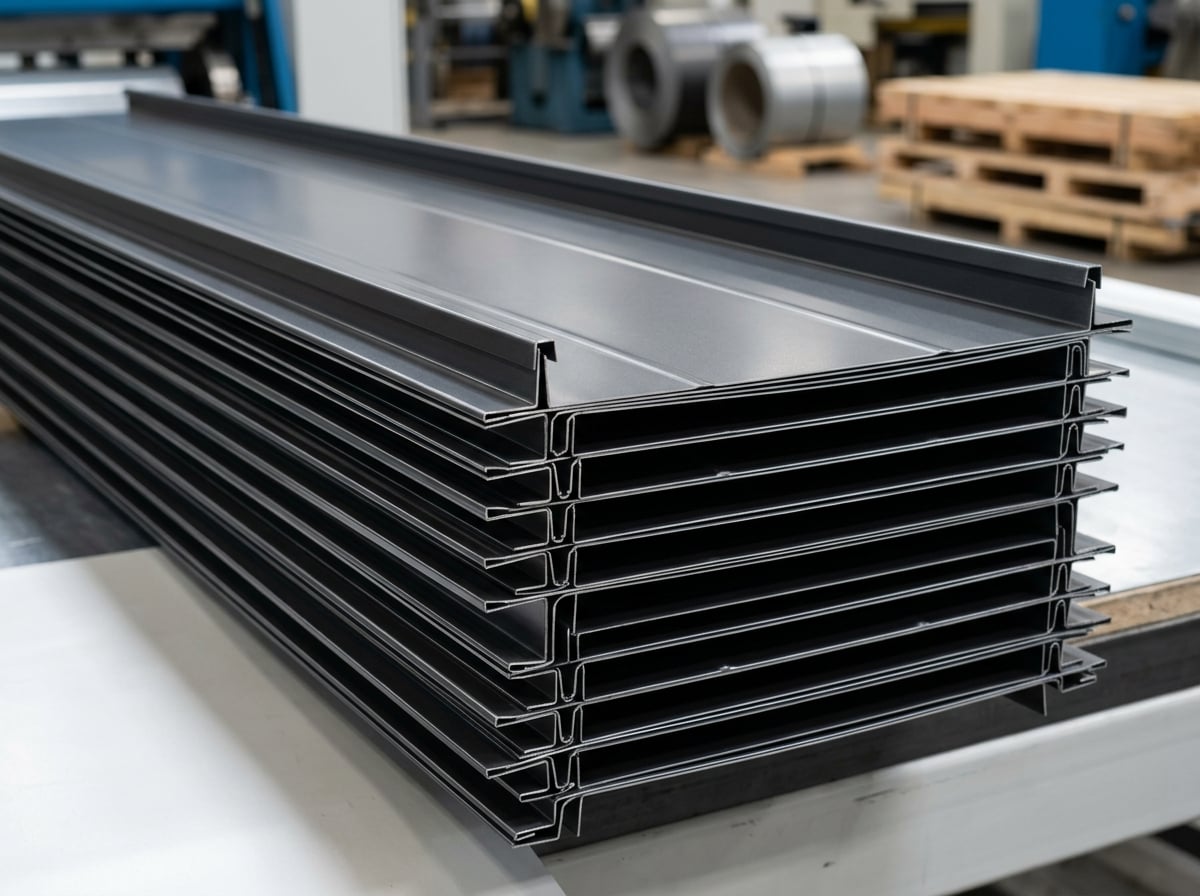
Exposed fasteners are the number one failure point on budget metal roofs. Every screw hole is a potential leak path. Over time, thermal expansion causes screw holes to elongate, rubber washers to deteriorate, and water to penetrate. Standing seam clips attach to the deck underneath the panel, allowing the metal to expand and contract freely without any surface penetration.
How does thermal expansion affect a metal roof?
Metal panels expand and contract with temperature changes. A 20-foot steel panel can move approximately 1/8 inch across a typical California daily temperature swing. The clip-and-float fastening system used in standing seam allows this movement without stress on the panel or the deck. Exposed-fastener systems fight this movement, which is why they develop leaks over time.