Panel Profiles
What is a low slope double lock standing seam profile?
A double lock profile folds the panel seam over twice, creating a 180-degree mechanical interlock. This double fold is required for roof slopes below 3:12 because it provides the water resistance necessary to prevent capillary action from drawing moisture into the seam. The double lock seam is formed on site using a mechanical seaming machine that walks along the panel seam and bends both folds in a single pass.
How does mechanical seaming differ from snap lock engagement?
Mechanical seaming uses a powered machine to crimp the panel seams together on the roof. Snap lock panels use a pre-formed male and female leg that clicks together when the installer applies downward pressure. Mechanical seam profiles achieve higher wind uplift ratings because the crimped seam cannot disengage under negative pressure. Snap lock profiles are faster to install but are limited to slopes of 3:12 and steeper where water flow velocity prevents capillary infiltration.
Why does slope determine which panel profile is required?
Water moves slower on low slope roofs. Below 3:12, water can sit in the seam channel long enough for capillary action to pull it under the panel overlap. The double lock mechanical seam prevents this by creating a complete 180-degree fold that eliminates any capillary path. Above 3:12, gravity moves water off the seam fast enough that snap lock profiles provide adequate weather protection. Specifying the wrong profile for the slope voids the manufacturer's warranty.
Where is snap lock appropriate for commercial applications?
Snap lock profiles work for commercial buildings with roof slopes at 3:12 or steeper. They install faster than mechanical seam profiles because no seaming machine is required. The clip engagement in snap lock systems relies on the male leg snapping over the female leg and locking into position. For buildings in high wind zones, the snap lock must be verified against the manufacturer's wind uplift tables for the specific building height and exposure category.
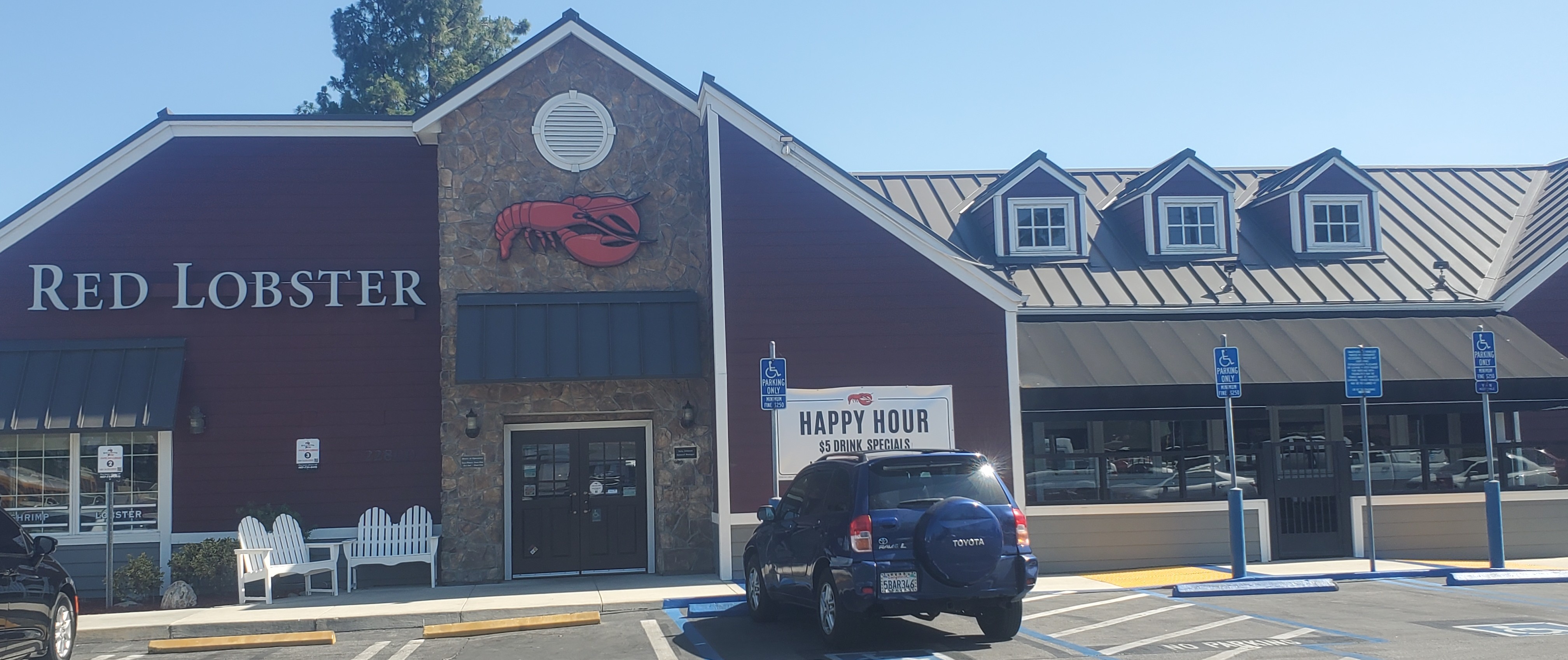
What is edge metal trim and why is it critical for commercial roofs?
Edge metal trim is the formed metal flashing that terminates the roof panels at eaves, rakes, and ridges. On commercial buildings, edge metal is the most wind-vulnerable component because it is the first point of contact for uplift forces at the roof perimeter. ANSI/SPRI ES-1 defines the minimum wind resistance requirements for edge metal. The trim must be mechanically fastened at intervals calculated from the local design wind speed and the building's exposure category.
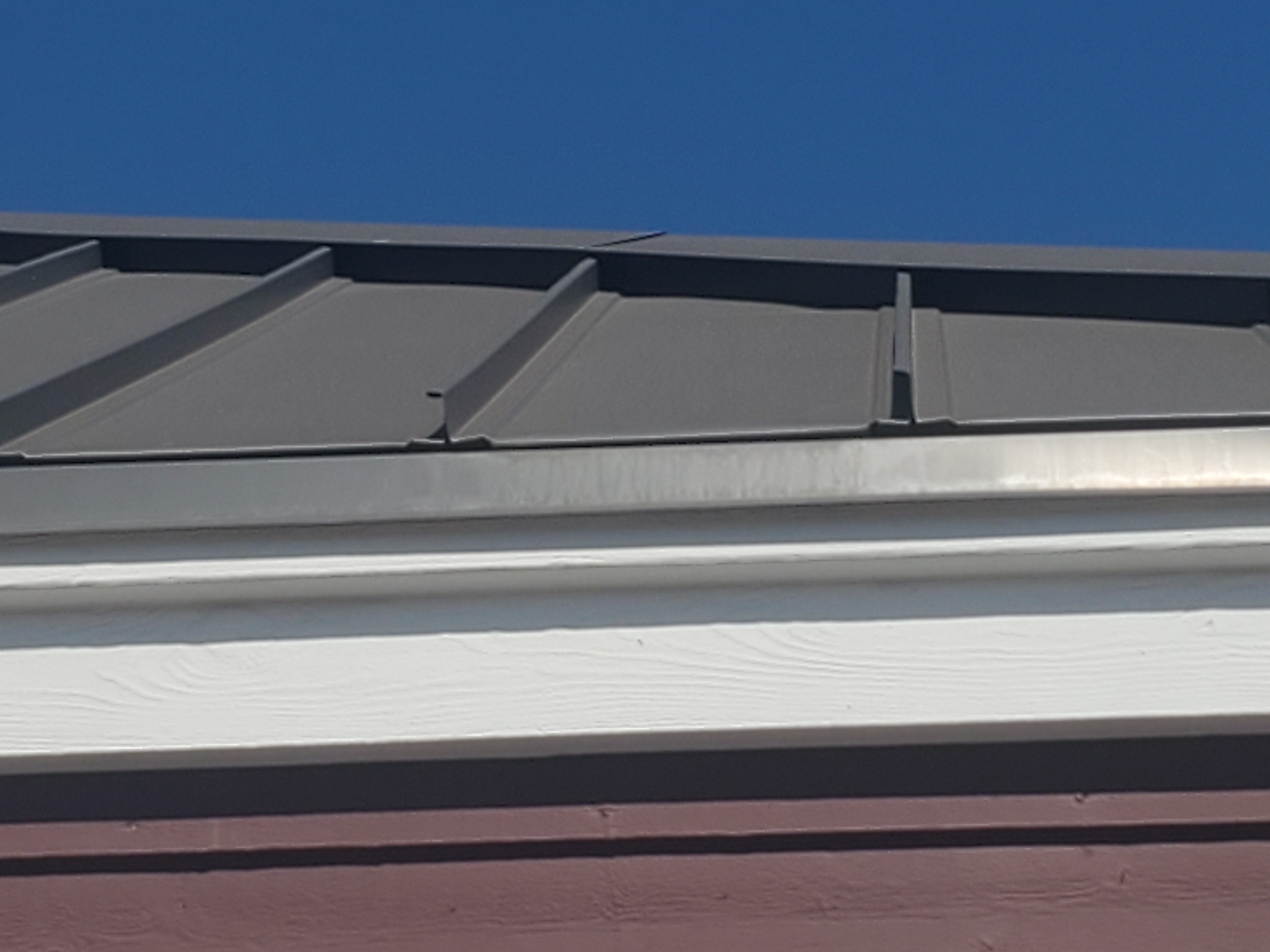
How does panel profile geometry affect water management?
The seam height, panel width, and rib geometry determine how water channels across the roof surface. Taller seams (1.75 inches versus 1.0 inch) create deeper channels that handle higher water volumes during heavy rainfall. Wider panels reduce the number of seams, which means fewer potential leak points but also fewer drainage channels. The profile must be matched to the building's roof area, slope, and regional rainfall intensity data.
Applicable Engineering Certifications
UL 580
UL 90
UL 790 Class A
UL 2218 Class 4
ASTM E 2140
All panel profile systems installed by The Metal Roof Pros are tested and certified to these engineering standards for wind uplift, fire resistance, impact resistance, and water penetration.