Clips and Cleats
What do clips and cleats actually do in a commercial standing seam system?
Clips and cleats are the mechanical anchors that attach standing seam panels to the structural substrate without penetrating the panel face. In commercial applications, this concealed attachment is what allows the entire roof surface to remain watertight under high wind uplift loads.
What is the difference between fixed clips and floating clips?
Fixed clips lock the panel to the substrate at a single anchor point, typically at the eave or ridge. Floating clips allow the panel to expand and contract along its length as temperature changes. Commercial runs often exceed 40 feet, making floating clips essential to prevent oil canning and fastener stress fractures.
Why does thermal expansion matter for commercial clip spacing?
A 40-foot 24-gauge steel panel will expand approximately 0.38 inches over a 100-degree Fahrenheit temperature swing. Floating clips accommodate this movement. If every clip is fixed, the panel buckles, and the seam integrity fails. Commercial specifications require a calculated ratio of fixed to floating clips based on panel run length.
How are clips used on commercial facade canopy assemblies?
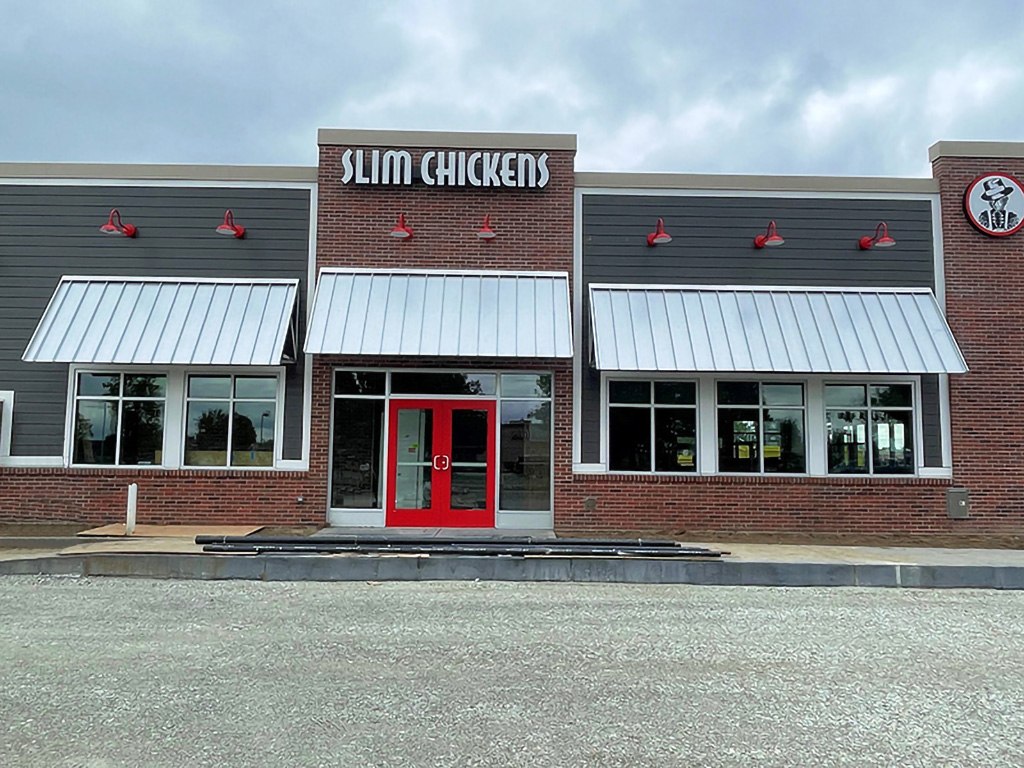
Facade canopy applications use a combination of hanger rods and clip brackets to support standing seam panels on vertical or angled substrates. The clip system must resist both gravity loads and wind suction. Each hanger rod connection point uses a structural cleat that transfers the panel weight directly to the building frame.
What cleat types are used for commercial building enclosures?
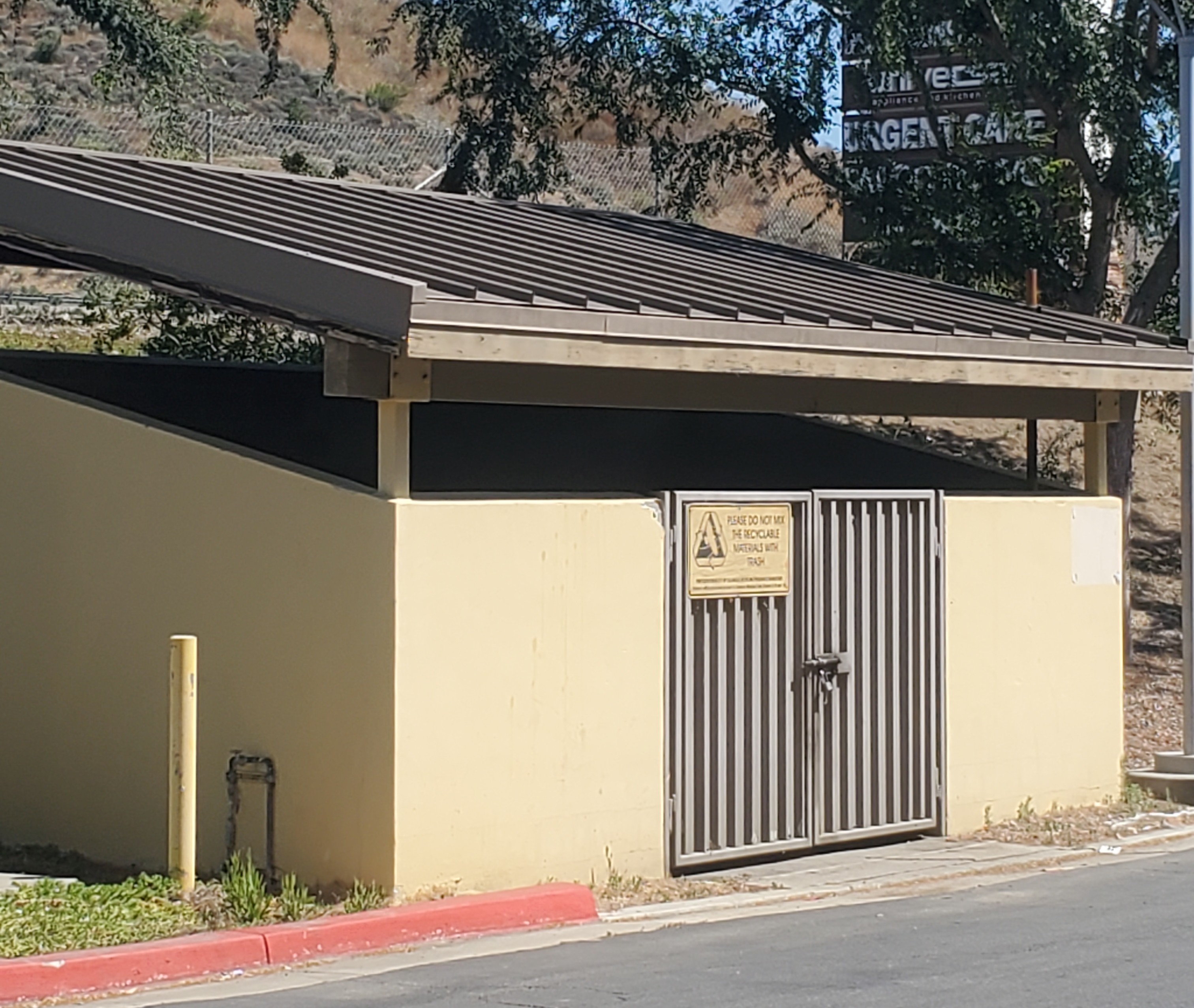
Commercial enclosures typically use S-5 or similar engineered cleat systems rated for specific wind zones. The cleat must match the panel profile geometry exactly. A mismatched cleat will not engage the seam properly, which compromises both the uplift rating and the waterproofing integrity of the entire assembly.
Applicable Engineering Certifications
UL 580
UL 90
ASTM E 2140
All clip and cleat assemblies installed by The Metal Roof Pros meet or exceed these certification requirements for commercial wind uplift and water penetration resistance.
What determines clip spacing on a commercial roof?
Clip spacing is calculated using the manufacturer's engineering tables for the specific panel profile. Variables include the local design wind speed, building height, roof zone (field, perimeter, or corner), and the substrate attachment capacity. Corner zones require tighter clip spacing because wind uplift pressures are highest at roof edges and corners.